
Help Your Blind and Visually Impaired Pets Live a Happy Life
Help Your Blind and Visually Impaired Pets Live a Happy Life
Learning that your dog or cat is losing vision can feel overwhelming. You may wonder if your pet will still be able to play, move around safely, enjoy favorite routines, or have a good quality of life.
The encouraging answer is yes. Blind and visually impaired pets can live happy, comfortable, active lives. Many adapt beautifully, especially when their families make the home predictable, safe, and supportive.
Vision is important, but dogs and cats also rely on smell, hearing, touch, memory, whiskers, vibration, and routine. With patience and a few thoughtful changes, you can help your visually impaired pet feel confident in the world around them.

What to Expect at a Veterinary Ophthalmology Appointment
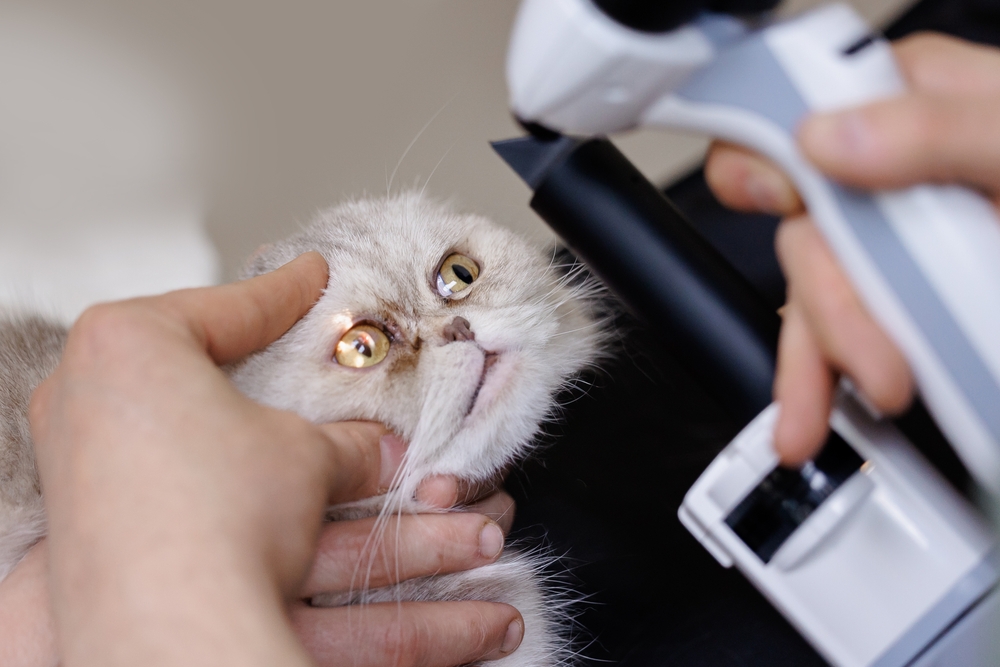
If your pet has an eye problem, your family veterinarian may recommend a veterinary ophthalmology appointment. For many pet owners, that referral can bring both relief and uncertainty. You want answers, but you may not know what a pet eye specialist does or what will happen during the visit.
A veterinary ophthalmology appointment is designed to evaluate your pet’s eyes, vision, comfort, and overall eye health in greater detail. The goal is to understand what is causing your pet’s symptoms and create a plan to help protect comfort, vision, and quality of life whenever possible.
Vision Changes in Senior Pets: Aging Eyes vs. an Eye Problem
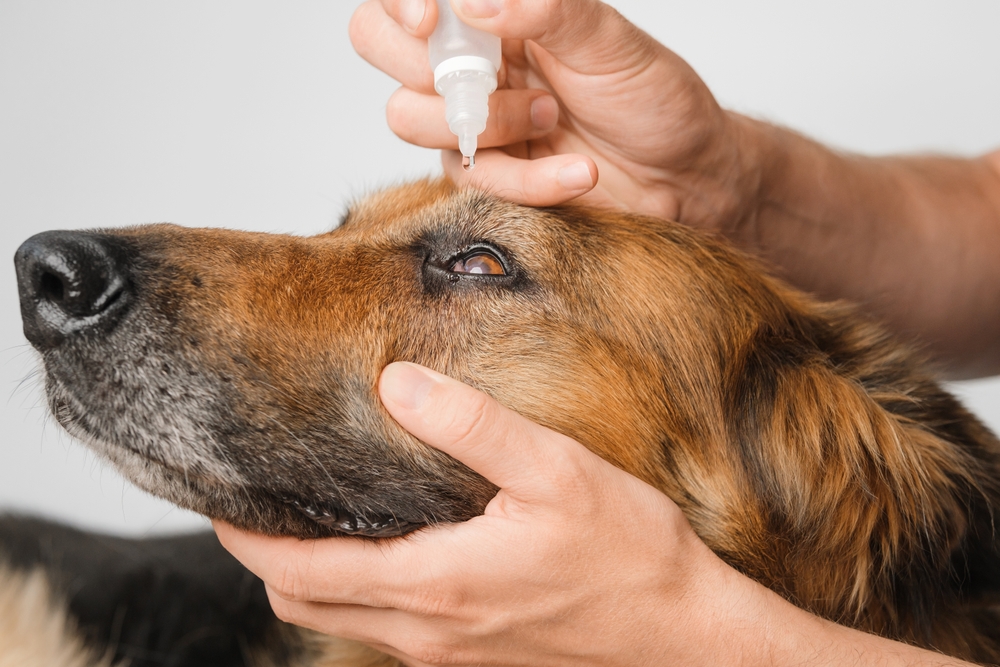
It is normal to see vision changes in senior pets. As dogs and cats age, their eyes may start to look a little different. You might notice a bluish haze, slower movement in dim lighting, or more hesitation in unfamiliar spaces. Some changes can be part of normal aging, but others may signal a painful or vision-threatening eye problem.
Is My Pet Losing Vision? Signs Dogs and Cats May Be Having Trouble Seeing
Is your pet losing vision? Pets are remarkably good at adapting. A dog or cat with gradual vision loss may still move through the house, find the food bowl, hop onto a favorite couch, and greet you at the door. Because they rely so heavily on smell, hearing, memory, and routine, many pets can hide vision changes for longer than their families realize.

That is why it helps to know the subtle signs of vision loss in pets. Changes in confidence, movement, behavior, or eye appearance can all be clues that your dog or cat may not be seeing as well as they used to.
Continue…How AI Can Benefit Veterinary Hospitals and Their Patients
Artificial intelligence—or AI—is rapidly becoming part of everyday life, from online searches to smart devices and customer service tools. But AI is also beginning to transform healthcare, including veterinary medicine.
Over the next 5–10 years, AI has the potential to help veterinary hospitals improve efficiency, enhance communication, support diagnostics, and ultimately provide better care for pets and their families.
While AI in veterinary medicine will never replace veterinarians, technicians, or the human connection that is central to veterinary medicine, it may become an increasingly valuable tool behind the scenes—especially in busy emergency and specialty hospitals.

How to Talk With Your Veterinarian About Cost Concerns
Few situations are more stressful than facing an unexpected veterinary bill while also worrying about a beloved pet.
Whether it’s emergency treatment, surgery, hospitalization, or ongoing specialty care, many pet owners experience anxiety about the cost of veterinary medicine—especially during emotionally difficult moments.
What Happens in the First 10 Minutes of a Pet Emergency Visit?
Bringing your pet to the emergency room can feel overwhelming—especially when everything seems to happen so quickly.
One moment you’re walking through the door, and the next your pet may be taken to the treatment area while team members ask questions, assess vital signs, and begin emergency care.
Understanding what happens at the emergency vet in the first few minutes can help reduce anxiety and give pet owners a clearer sense of what to expect and how emergency teams stabilize and prioritize patients.
Step 1: Immediate Triage
The first thing that happens when your pet arrives at the emergency hospital is triage.
Triage is the process of determining how urgently a patient needs medical attention based on the severity of their condition.

When Waiting to Come to the ER Is the Most Dangerous Choice
Not every pet emergency looks dramatic.
Many pet owners expect emergencies to involve obvious trauma, severe bleeding, or collapse. But in veterinary emergency medicine, some of the most serious conditions begin with symptoms that seem minor—or easy to explain away.
A pet that is “just tired,” “breathing a little differently,” or “not acting quite right” may actually be experiencing a medical emergency that requires immediate care.
Knowing when waiting is risky can help save valuable time—and potentially your pet’s life. We give you a better idea of when to take your pet to the emergency vet.

Helping a Newly Adopted Pet Feel Safe After Trauma
Bringing home a newly adopted pet is a meaningful and rewarding experience—but for rescue animals with a history of neglect, abuse, or uncertainty, the transition can feel overwhelming. Helping a rescue pet feel safe can be rewarding, but it can also be a challenge.
While some pets adjust quickly, others need time, patience, and a thoughtful approach to feel safe again. Understanding how to support your pet during this critical period can help build trust, reduce fear, and set the foundation for a healthy, lasting bond.
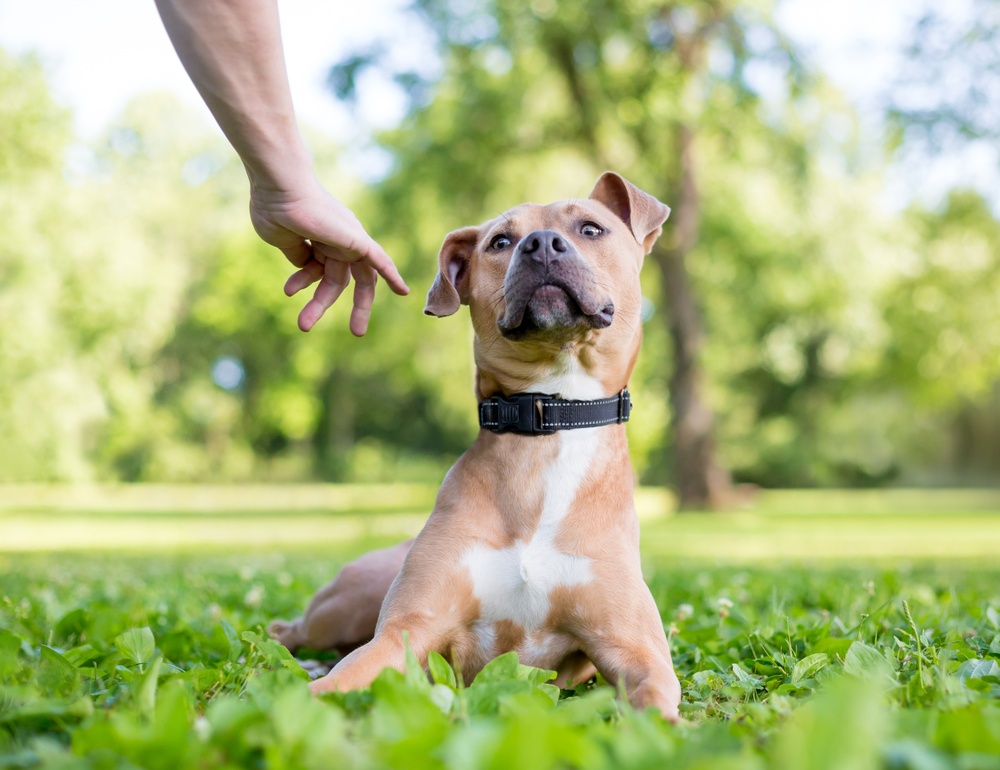
What to Do If You Suspect Animal Abuse: A Guide for Pet Owners
Recognizing the signs of animal abuse is an important first step—but knowing what to do next in reporting animal abuse can feel overwhelming. If you suspect a pet is being mistreated, acting quickly and responsibly can make a life-changing difference.