

Oakland Veterinary Referral Services Blog
Best Pooper Scoopers for Different Cleanup Needs
Picking up dog poop is not glamorous, but the right tool can make the job faster, cleaner, and considerably easier on your back.
The “best” pooper scooper is not necessarily one particular brand. A tool that works beautifully on concrete may struggle in long grass, while the perfect backyard system may be far too bulky for a walk.
The best choice depends on where you clean, how much waste you manage, and how much bending or hand strength is comfortable for you.

Orthopedic Surgery for Senior Pets: Is My Pet Too Old?
When a senior dog or cat is limping, struggling to rise, avoiding stairs, or living with chronic joint pain, pet parents often face a difficult question: Is my senior pet too old for orthopedic surgery?
It is an understandable concern. Surgery and anesthesia can feel intimidating, especially for an older pet. Many pet parents worry about whether their pet can handle the procedure, whether recovery will be too hard, or whether surgery is fair at their age.

Patellar Luxation in Dogs: Why Some Kneecaps Slip Out of Place
A dog who suddenly skips on a back leg, holds the leg up for a few steps, then goes back to walking normally may be showing signs of a luxating patella. This condition happens when the kneecap, or patella, slips out of its normal position.
Patellar luxation in dogs is a common orthopedic problem, especially in small breeds, although larger dogs can be affected too. Some dogs have mild signs that come and go. Others develop pain, lameness, arthritis, or difficulty using the leg normally.

When Cats Stop Jumping: What Mobility Changes May Mean
Cats are graceful, athletic, and often very good at hiding discomfort. That can make it difficult for cat parents to know when something is wrong. A cat who stops jumping onto the bed, hesitates before climbing stairs, avoids a favorite perch, or moves more slowly may not just be “getting older.” These changes can signal pain, stiffness, injury, arthritis, or another mobility problem.

How Veterinarians Diagnose Orthopedic Injuries in Pets
When a dog or cat starts limping, favoring a leg, slowing down, or showing signs of pain, pet parents naturally want answers quickly. Is it a sprain? Arthritis? A torn ligament? A fracture? A joint problem? Something neurologic?

The Hidden Cost of Cheap Pet Products
Pet care can be expensive, and many pet owners look for ways to save money. That is understandable. Between food, toys, treats, grooming supplies, preventatives, beds, leashes, crates, and veterinary care, the costs can add up quickly.

How to Prioritize Pet Care When You’re on a Budget
Most pet owners want to do everything possible for their dogs and cats. But veterinary care, food, medications, preventatives, grooming, supplies, and unexpected emergencies can all add up. When money is tight, deciding what to do first can feel overwhelming.
If you are worried about the cost of pet care, you are not alone. Many families have to make careful decisions about how to use their resources while still protecting their pet’s health and comfort.
When Advanced Veterinary Care Can Save Money Later
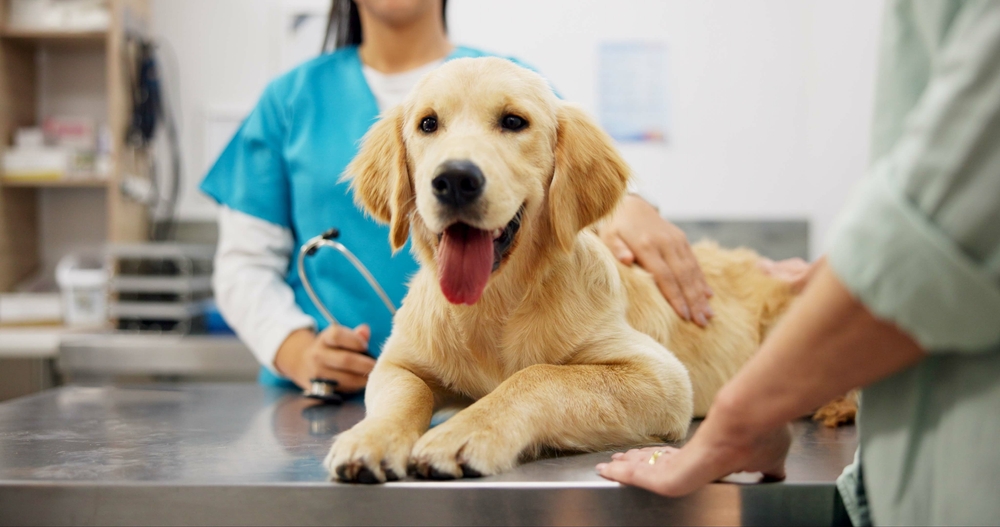
Pet care costs matter. When your dog or cat needs veterinary care, it is natural to think about the price of an exam, diagnostic test, medication, procedure, or specialist consultation. Many pet owners want to make the best decision for their pet while also staying within a realistic budget.
Sometimes, choosing the lowest-cost option right away makes sense. Other times, spending more up front can help avoid repeated visits, delayed diagnosis, worsening illness, more complicated treatment, or emergency hospitalization later.
Understanding Veterinary Estimates: What’s Included and What to Ask
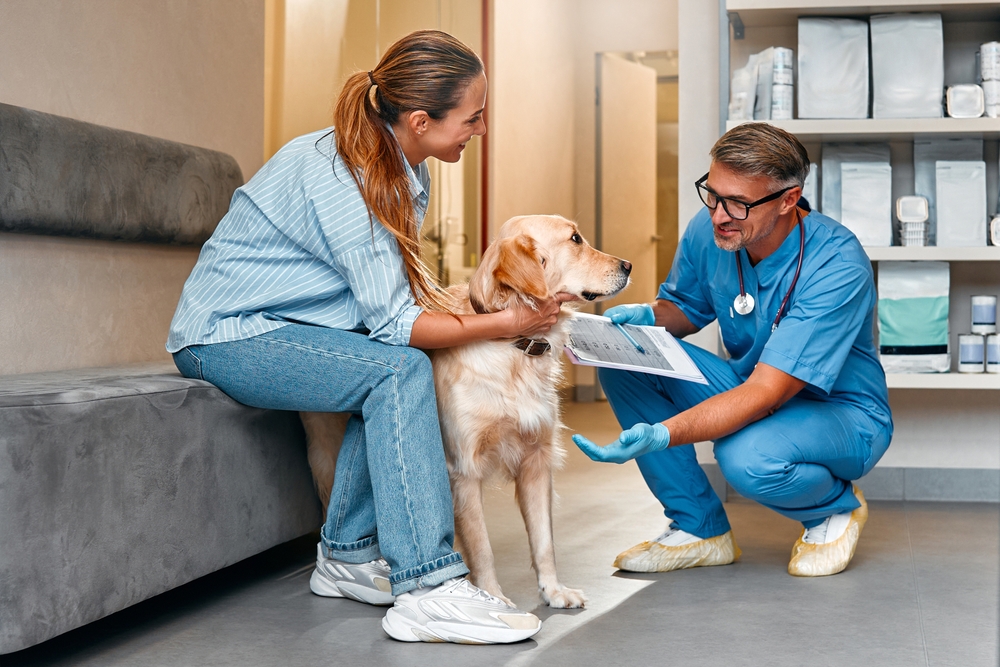
When your pet needs veterinary care—especially urgent, emergency, or specialty care—it can be stressful to receive a treatment estimate. You may be worried about your pet, trying to understand medical recommendations, and thinking about how the cost fits into your budget all at the same time.
Help Your Blind and Visually Impaired Pets Live a Happy Life
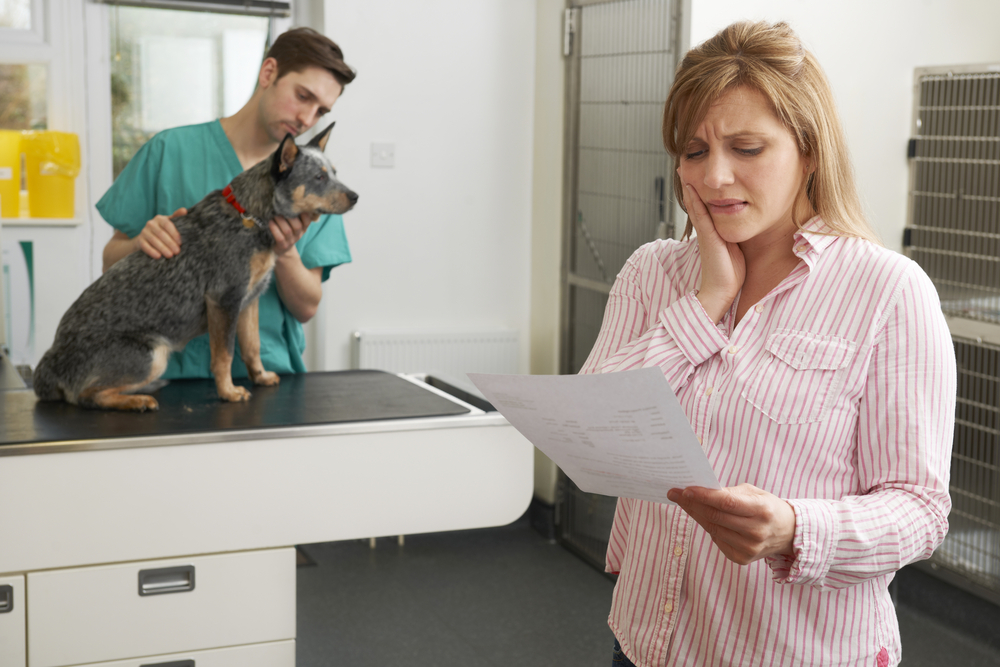
Learning that your dog or cat is losing vision can feel overwhelming. You may wonder if your pet will still be able to play, move around safely, enjoy favorite routines, or have a good quality of life.
The encouraging answer is yes. Blind and visually impaired pets can live happy, comfortable, active lives. Many adapt beautifully, especially when their families make the home predictable, safe, and supportive.
Vision is important, but dogs and cats also rely on smell, hearing, touch, memory, whiskers, vibration, and routine. With patience and a few thoughtful changes, you can help your visually impaired pet feel confident in the world around them.