

Vision Changes in Senior Pets: Aging Eyes vs. an Eye Problem
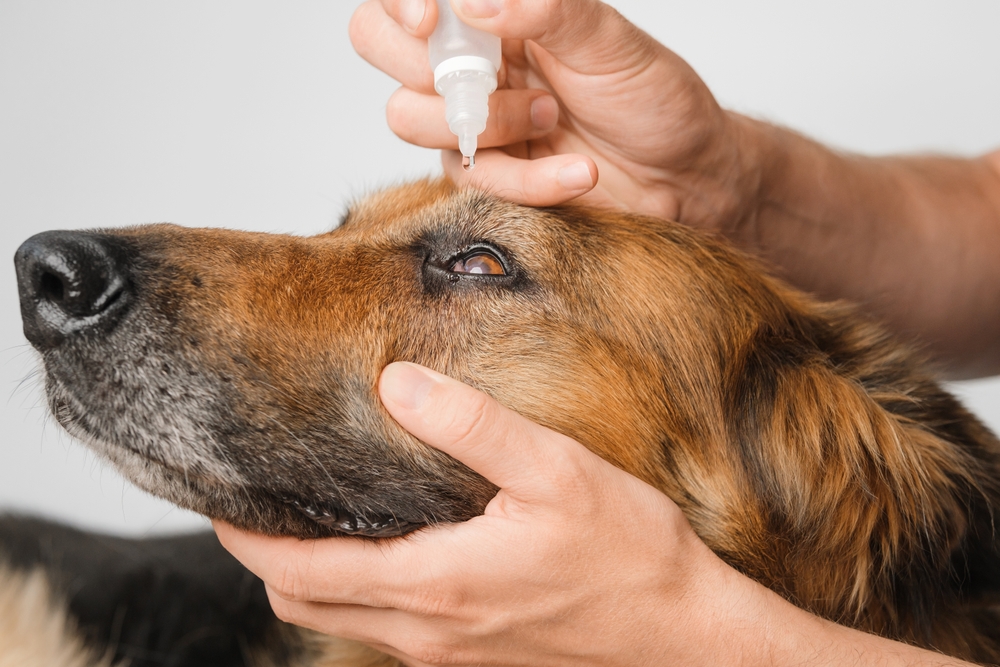
It is normal to see vision changes in senior pets. As dogs and cats age, their eyes may start to look a little different. You might notice a bluish haze, slower movement in dim lighting, or more hesitation in unfamiliar spaces. Some changes can be part of normal aging, but others may signal a painful or vision-threatening eye problem.
For pet owners, it can be hard to know the difference. Is your pet’s cloudy eye just age-related? Is the squinting temporary? Is your senior dog or cat losing vision?
While only a veterinarian can diagnose the cause of an eye change, knowing what to watch for can help you seek care at the right time.
Do Pets’ Eyes Change With Age?
Yes. Just like people, pets can experience age-related changes in their eyes. Some older pets develop a grayish or bluish haze in the lens of the eye. This may be related to a normal aging change called nuclear sclerosis, which happens as the lens becomes denser over time.
Nuclear sclerosis can make the eyes look cloudy, especially in certain lighting, but it is not the same as a cataract. It typically does not cause the same level of vision loss as cataracts.
That said, pet owners should not try to diagnose cloudiness at home. Cataracts, glaucoma, inflammation, corneal disease, and other eye conditions can also change the way the eyes look. If you notice cloudiness or a change in your pet’s vision, an eye exam is the safest way to know what is happening.
What Can Be Normal in an Aging Pet’s Eyes?
Some age-related changes may be gradual and mild. These can include:
- A slight bluish-gray haze in both eyes
- Mild changes in night vision
- More caution in dim light
- Slower adjustment when moving between bright and dark spaces
- Minor changes in how your pet navigates unfamiliar places
Even when these changes are related to aging, they are still worth mentioning at your pet’s regular veterinary visit. A baseline eye exam helps your veterinarian recognize what is normal for your pet and spot future changes earlier.
Eye Changes That Are Not “Just Old Age”
Some symptoms should never be dismissed as normal aging. Contact your veterinarian if you notice:
- Redness
- Squinting
- Pawing or rubbing at the eye
- Yellow or green discharge
- Excessive tearing
- Sudden cloudiness
- A white or opaque area in the eye
- Unequal pupil size
- A bulging eye
- Sensitivity to light
- Blood in or around the eye
- Sudden vision loss
- Bumping into objects
- Hesitation on stairs
- A visible injury or scratch
- Keeping one eye closed
Eye pain in pets can be subtle. A dog or cat may not cry, whimper, or act dramatically uncomfortable. Instead, they might sleep more, avoid bright rooms, hide, rub their face, or become less tolerant of being touched near the head.
Cloudy Eyes: Aging Change or Cataracts?
Cloudy eyes are one of the most common concerns pet owners notice, especially in senior dogs.
Aging-related lens changes often create a bluish haze, but the pet may still see fairly well. Cataracts, on the other hand, involve opacity in the lens that can interfere with vision. Cataracts may appear as a white or cloudy area inside the eye and can progress over time.
Because the two can look similar to pet owners, it is important to have cloudy eyes evaluated. This is especially true if your pet is bumping into things, seems unsure in low light, has diabetes, or if the cloudiness appears suddenly.
Redness, Squinting, or Discharge Need Attention
Redness, squinting, and discharge are not normal signs of aging. They often mean the eye is irritated, inflamed, injured, infected, or painful.
Squinting is especially important. Pets squint when their eyes hurt. Even if the eye looks only mildly irritated, squinting can be a sign of a corneal ulcer, foreign object, glaucoma, trauma, or another condition that needs veterinary attention.
If your pet is rubbing the eye, keeping it closed, or avoiding light, do not wait to see if it improves on its own.
Vision Changes Can Happen Gradually
Not all eye problems cause obvious changes in eye appearance. Some pets lose vision gradually, and because they rely on scent, hearing, memory, and routine, they may compensate surprisingly well.
Signs of vision changes can include:
- Bumping into furniture or walls
- Missing treats or toys
- Startling when approached
- Reluctance to use stairs
- Trouble navigating in dim light
- Hesitation in new places
- Clinginess or anxiety
- Getting stuck in corners or behind furniture
- Changes in confidence or play behavior
These signs may be especially noticeable after furniture is moved, when your pet is outside at night, or when they are in an unfamiliar environment.
Why Eye Exams Matter for Senior Pets
Regular eye exams can help identify problems before they become advanced. During an exam, your veterinarian can check the appearance of the eyes, evaluate comfort, look for signs of inflammation or injury, and recommend further testing if needed.
If your pet has a more complex eye issue, your family veterinarian may recommend a referral to a veterinary ophthalmologist. A veterinary ophthalmologist has advanced training in diagnosing and treating eye diseases in animals.
Specialty eye care may be helpful for conditions involving cataracts, glaucoma, corneal ulcers, retinal disease, eyelid abnormalities, chronic inflammation, eye trauma, or unexplained vision loss.
When to Seek Emergency Care
Some eye problems should be treated as urgent. Seek veterinary care right away if your pet has:
- Sudden blindness
- Sudden severe cloudiness
- A painful or closed eye
- A bulging eye
- Significant trauma to the head or face
- Blood in the eye
- A visible puncture, scratch, or foreign object
- Severe redness or swelling
- Unequal pupils
- Rapidly worsening symptoms
Eye emergencies can progress quickly. Prompt treatment may help protect your pet’s comfort and, in some cases, their vision.
Helping an Older Pet With Vision Changes
If your pet is experiencing age-related vision changes or diagnosed vision loss, small home adjustments can make daily life easier:
- Keep furniture in consistent places
- Use night lights in hallways and near stairs
- Keep food, water, beds, and litter boxes in familiar locations
- Block unsafe stairways or ledges
- Use verbal cues before touching your pet
- Avoid startling them while they sleep
- Keep walkways clear
- Supervise outdoor time
- Introduce new spaces slowly
Many pets adapt beautifully to vision changes, especially when their homes and routines remain predictable.
When in Doubt, Have It Checked
Some eye changes are part of aging, but redness, squinting, discharge, sudden cloudiness, pain, or changes in vision are not to be ignored.
If your dog or cat’s eyes look different or your pet seems to be having trouble seeing, schedule an exam with your veterinarian. Vision changes in senior pets can be serious. If specialty care is needed, the ophthalmology team at Oakland Veterinary Referral Services can work with your primary veterinarian to evaluate your pet’s eyes and recommend the next steps.
Your pet’s eyes may change with age, but discomfort and vision loss should never be dismissed as “just getting older.”