
Search Results for ‘dog’
Arthritis Isn’t Just an Old-Dog Problem
When a dog begins moving more slowly, struggling with stairs, or hesitating before jumping into the car, it is easy to assume that age has finally caught up with them.
Aging can make arthritis in dogs more noticeable, but old age does not tell the whole story. Osteoarthritis can affect dogs of many ages, and the process often begins long before obvious pain or stiffness appears. Joint abnormalities, injuries, instability, excess weight, and years of repetitive stress can all contribute.
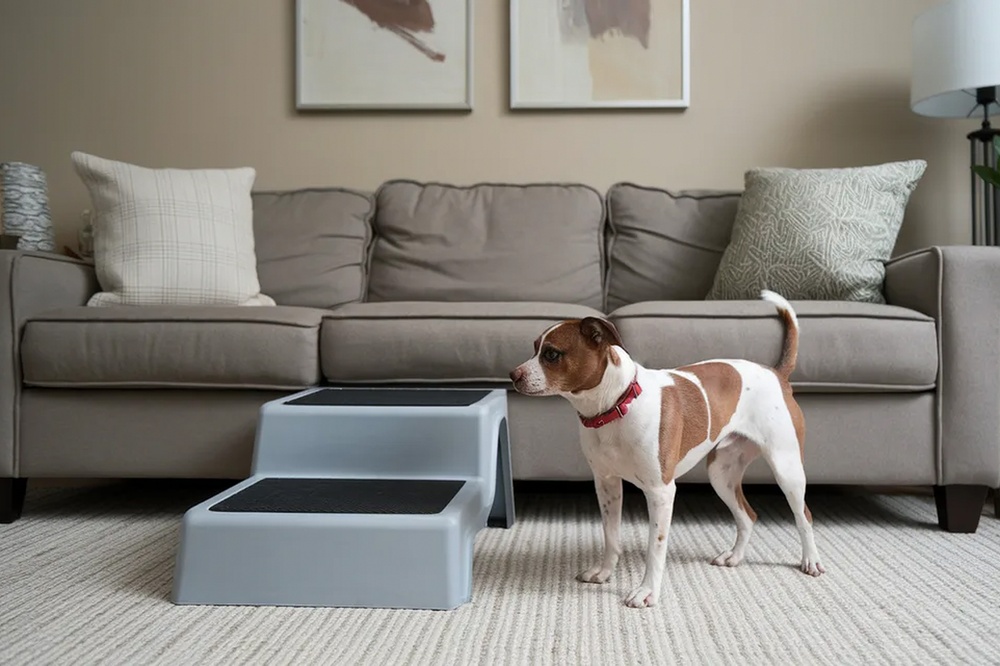
Recognizing the risks and early signs gives pet parents and veterinarians a better opportunity to protect mobility, manage pain, and help dogs remain active.
Continue…Patellar Luxation in Dogs: Why Some Kneecaps Slip Out of Place
A dog who suddenly skips on a back leg, holds the leg up for a few steps, then goes back to walking normally may be showing signs of a luxating patella. This condition happens when the kneecap, or patella, slips out of its normal position.
Patellar luxation in dogs is a common orthopedic problem, especially in small breeds, although larger dogs can be affected too. Some dogs have mild signs that come and go. Others develop pain, lameness, arthritis, or difficulty using the leg normally.
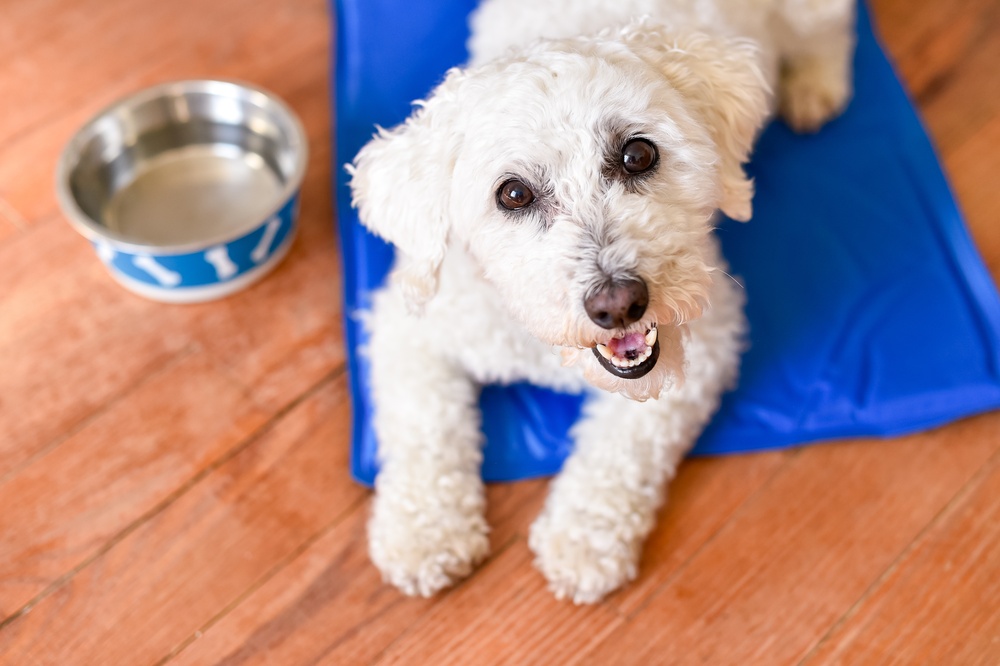
Is My Pet Losing Vision? Signs Dogs and Cats May Be Having Trouble Seeing
Is your pet losing vision? Pets are remarkably good at adapting. A dog or cat with gradual vision loss may still move through the house, find the food bowl, hop onto a favorite couch, and greet you at the door. Because they rely so heavily on smell, hearing, memory, and routine, many pets can hide vision changes for longer than their families realize.

That is why it helps to know the subtle signs of vision loss in pets. Changes in confidence, movement, behavior, or eye appearance can all be clues that your dog or cat may not be seeing as well as they used to.
Continue…Exercises to Keep Dogs Strong
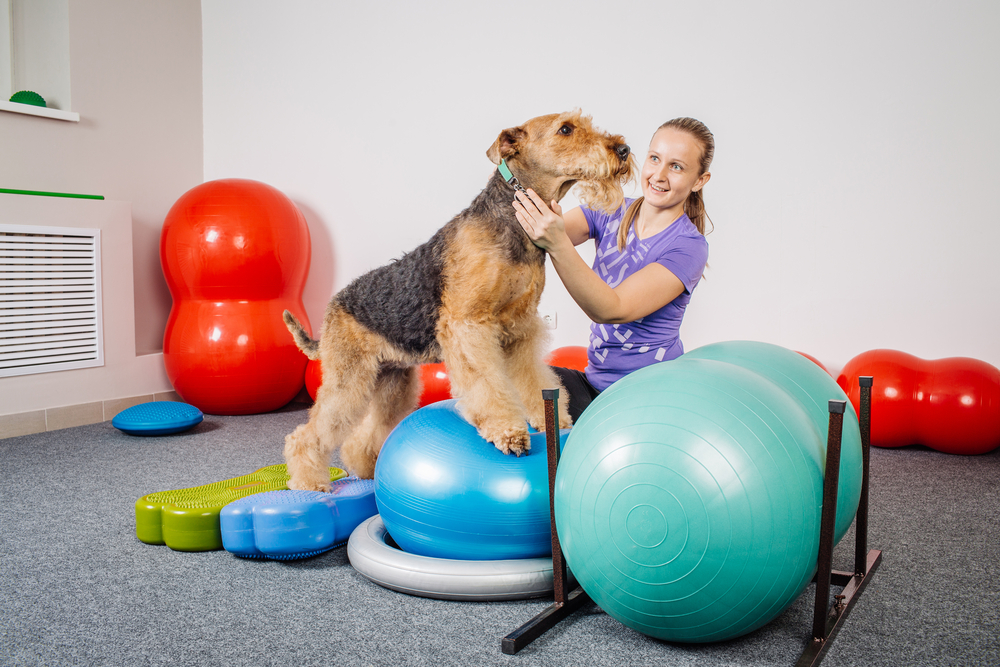
Just like people, dogs benefit from regular exercise to stay strong, mobile, and healthy. Beyond daily walks, incorporating targeted exercises into your dog’s routine can help build muscle, support joint health, and even prevent injuries over time.
Whether you have an energetic young dog or a slowing senior, the right exercises can make a meaningful difference in their quality of life.
Low-Impact Exercise for Dogs with Joint Pain
When your dog is dealing with joint pain—whether from arthritis, injury, or age—it can be difficult to know how much exercise is too much. You want to keep them active, but you also don’t want to make their discomfort worse.
Thankfully, low-impact exercise for dogs with joint pain issues can help them stay mobile, maintain muscle strength, and even reduce stiffness—without putting excessive strain on their joints.

What is the Best Diet for Dogs and Cats with Heart Disease?
When a pet is diagnosed with heart disease, nutrition becomes an essential part of their care. The right diet can help manage symptoms, support heart function, and improve overall quality of life.
While there is no one-size-fits-all diet, understanding what nutrients matter most can help pet owners make informed decisions alongside their veterinary team.

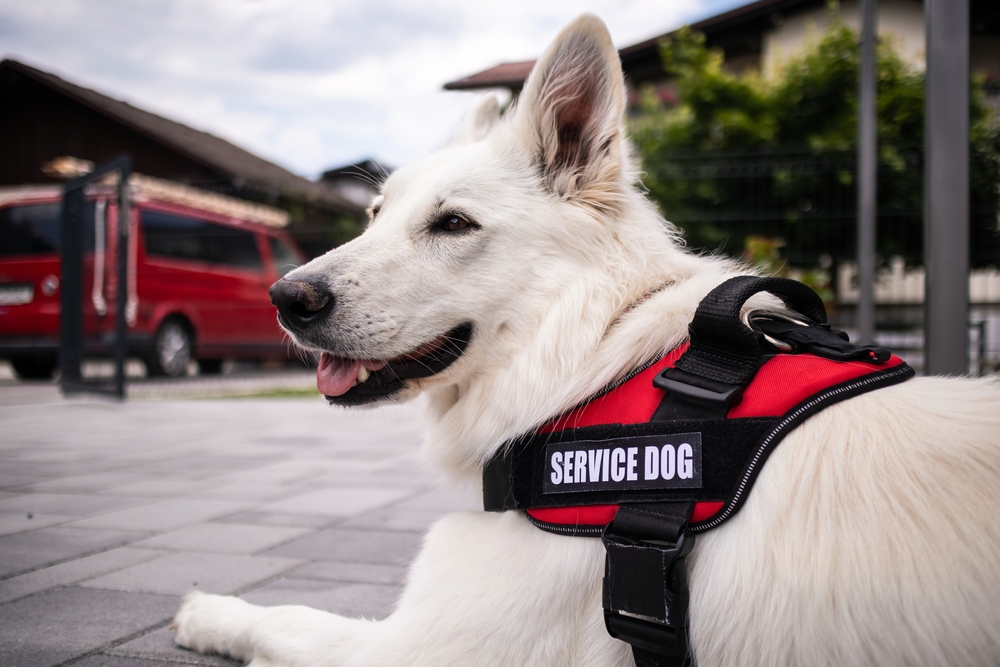
Medical Care for Service Dogs: How Their Medical Needs Differ from That of Pets
Service dogs are far more than companions — they are highly trained working partners and, for many people, true lifelines. From guiding individuals with visual impairments to alerting handlers to seizures, blood sugar changes, or panic attacks, these dogs perform complex tasks that support independence, safety, and quality of life every day.
Because they are constantly on duty, the medical needs of service dogs differ significantly from those of typical household pets. Maintaining their health isn’t just about comfort — it’s essential to their ability to perform lifesaving work. Here’s how medical care for service dogs differs from that of pets.
Manage Winter Arthritis Pain in Dogs and Cats
Cold weather can be especially tough on pets with arthritis. As temperatures drop, many dogs and cats become stiffer, slower to rise, and less interested in activity. You may notice hesitation on stairs, difficulty jumping, or a reluctance to go outside at all.
While winter can worsen joint discomfort, the season doesn’t have to mean months of pain or inactivity. With the right combination of warmth, movement, environmental support, and medical care, you can help manage winter arthritis pain in dogs and cats.

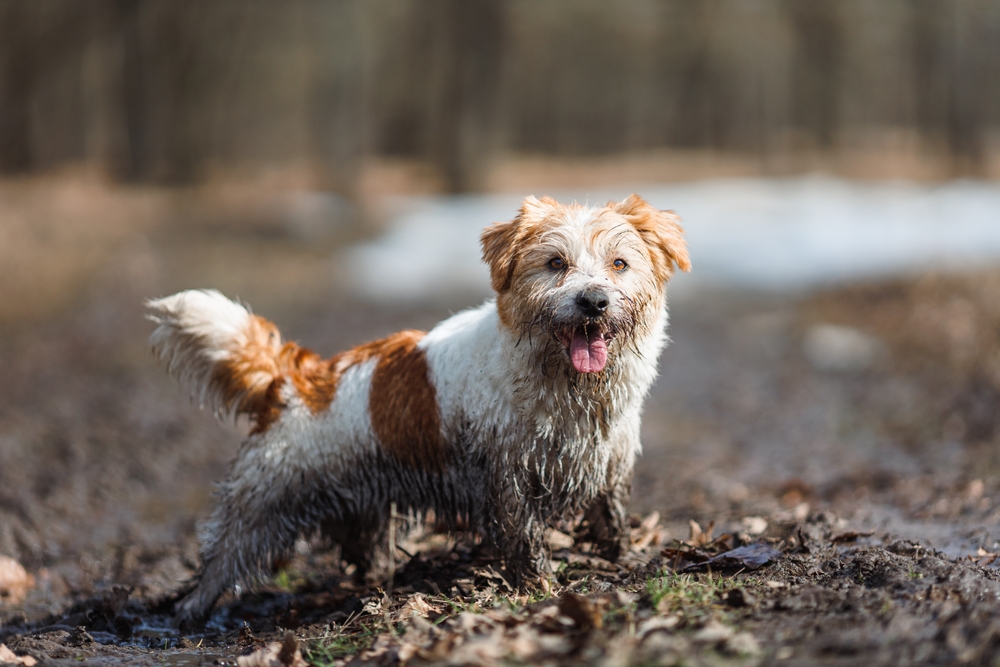
Why Do Dogs Love Mud? (And How to Handle Clean Up Like a Pro)
Has your dog ever leapt straight into a giant puddle during a walk? Or somehow found the muddiest spot in your yard right after a bath? If so, you’re not alone! Many dogs can’t resist the lure of the muck. But why do dogs love mud—and how can you clean them up after their latest adventure?
Let’s dig into the reasons behind this messy behavior (and how to handle cleanup like a pro).
Future of Pet Food: What Will Dogs and Cats Likely Eat in 2050?
What will dogs and cats likely eat in 25 years? Pet owners today are already seeing a shift in what goes into their pets’ bowls, and by 2050, diets could look very different from the kibble-and-cans we know today. So what does the future of pet food look like?