

Help Your Blind and Visually Impaired Pets Live a Happy Life
Learning that your dog or cat is losing vision can feel overwhelming. You may wonder if your pet will still be able to play, move around safely, enjoy favorite routines, or have a good quality of life.
The encouraging answer is yes. Blind and visually impaired pets can live happy, comfortable, active lives. Many adapt beautifully, especially when their families make the home predictable, safe, and supportive.
Vision is important, but dogs and cats also rely on smell, hearing, touch, memory, whiskers, vibration, and routine. With patience and a few thoughtful changes, you can help your visually impaired pet feel confident in the world around them.
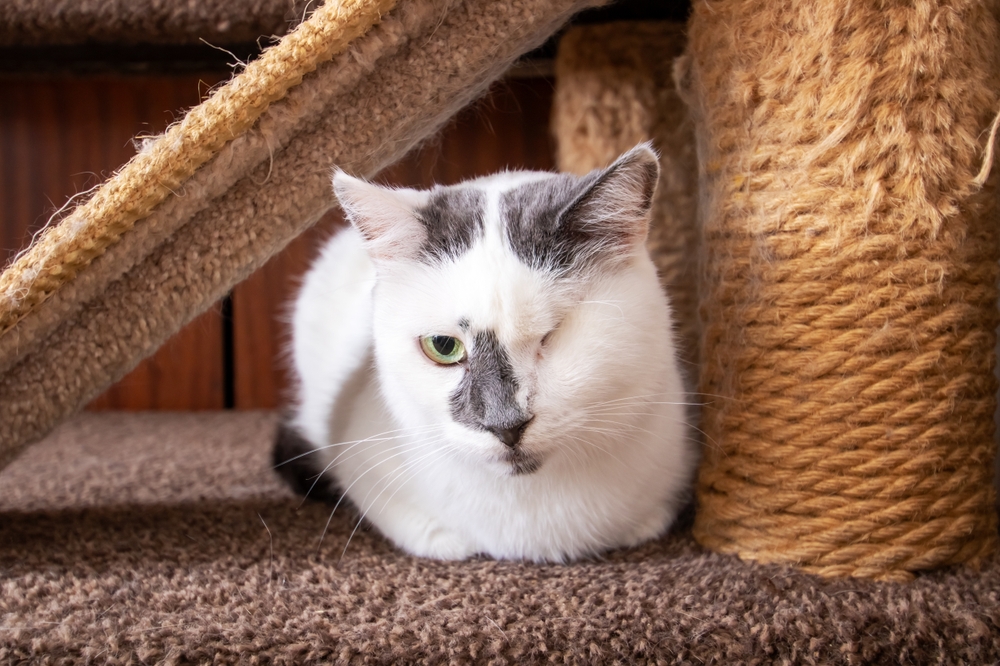
Pets Are Better at Adapting Than We Expect
People often imagine blindness from a human perspective. For pets, the experience can be different. Dogs and cats already use their other senses in powerful ways. They recognize your voice, follow familiar scents, remember the layout of your home, and respond to daily routines.
If vision loss happens gradually, your pet may have already started adapting before you notice there is a problem. If vision loss is sudden, they may need more support and time, but many pets still adjust very well.
Your calm, consistent guidance can make a big difference.
Start With a Veterinary Eye Exam
If your pet is bumping into objects, hesitating on stairs, acting startled, missing treats, or showing changes in eye appearance, schedule a veterinary exam. Some causes of vision loss are treatable or manageable, and some eye conditions can be painful even if your pet does not cry or whine.
Signs that should be checked include:
- Cloudy eyes
- Redness
- Squinting
- Pawing or rubbing at the eye
- Excessive tearing
- Yellow or green discharge
- Unequal pupil size
- Sudden disorientation
- Trouble seeing in dim light
- Bumping into furniture or walls
- Hesitation on stairs or at doorways
- Sudden changes in confidence or behavior
Your primary veterinarian may recommend referral to a veterinary ophthalmologist for advanced evaluation, diagnosis, or treatment. Even if vision cannot be restored, identifying the cause can help protect your pet’s comfort and guide the best care plan.
Keep the Home Predictable
A predictable environment is one of the best gifts you can give a visually impaired pet. Once your dog or cat learns the layout of the home, consistency helps them move around with confidence.
Try to keep furniture, pet beds, food bowls, water bowls, litter boxes, and favorite resting spots in the same places. Avoid leaving shoes, bags, laundry baskets, or other clutter in walkways.
If you do need to rearrange furniture, guide your pet through the new layout slowly and calmly. Use treats, praise, and gentle verbal cues to help them rebuild their mental map.
Make Stairs and Hazards Safer
Stairs, sharp corners, balconies, pools, fireplaces, and open doors can become risky for pets with limited vision.
Helpful safety steps include:
- Blocking stairs with baby gates when needed
- Using rugs or textured mats near stairways
- Keeping doors and gates securely closed
- Padding sharp furniture corners
- Blocking access to pools, balconies, decks, or ledges
- Keeping walkways clear
- Supervising outdoor time
- Using ramps when appropriate
For cats, consider whether their favorite high perches are still safe. Some visually impaired cats continue to climb confidently, while others may need lower, easier resting spots.
Use Sound, Scent, and Texture Cues
Blind and visually impaired pets often benefit from cues that help them identify rooms, pathways, and important locations.
You can use:
- Verbal cues such as “step,” “careful,” “up,” or “down”
- A consistent tone of voice when approaching
- Textured mats near food bowls, doors, litter boxes, or stairs
- Lightly scented markers in key areas
- Toys that make noise
- Water fountains that create a familiar sound
- Bells on other pets’ collars, if tolerated
Avoid overwhelming your pet with too many new cues at once. A few consistent signals are usually more helpful than many changes.
Talk Before You Touch
A pet who cannot see well may startle more easily. This is especially true when they are sleeping, resting, or approached from behind.
Before touching your pet, say their name or use a familiar phrase. Let them know where you are. Encourage children and visitors to do the same.
If there are other pets in the home, watch interactions closely. A visually impaired pet may miss body language signals from another dog or cat, and other pets may need time to adjust, too.
Keep Routines Consistent
Daily routines help visually impaired pets feel secure. Feeding, walks, playtime, bedtime, and bathroom breaks are easier when your pet knows what to expect.
Try to keep:
- Mealtimes consistent
- Food and water bowls in the same place
- Walk routes familiar
- Litter boxes easy to access
- Beds and resting places predictable
- Verbal cues consistent
- Outdoor potty areas familiar
Routine builds confidence. It also makes it easier for you to notice changes in behavior, mobility, appetite, or comfort.
Help Your Dog Navigate Walks
Blind and visually impaired dogs can still enjoy walks, sniffing, fresh air, and gentle exercise. A secure leash and harness can help you guide your dog safely.
Choose familiar routes when possible. Walk at a steady pace and use verbal cues before curbs, steps, uneven ground, or obstacles. Let your dog sniff and explore, but avoid sudden leash corrections or unexpected changes in direction.
Dog parks and busy environments may be stressful for some blind dogs. Others may do well in calm, familiar spaces. Watch your dog’s body language and adjust activities based on their comfort.
Support a Visually Impaired Cat
Cats with vision loss can also live very happy lives, especially when their indoor environment is safe and consistent.
Keep litter boxes, food, water, and resting areas easy to find. Avoid moving cat trees or furniture too often. If your cat enjoys climbing, make sure they have safe ways to get up and down. Some cats benefit from lower perches, pet stairs, or ramps.
Visually impaired cats may prefer quieter spaces, predictable routines, and gentle introductions to anything new.
Choose Enrichment That Uses Other Senses
Blind pets still need play, enrichment, and mental stimulation. The best activities use scent, sound, touch, and taste.
Ideas include:
- Puzzle feeders
- Snuffle mats
- Treat trails
- Scent games
- Toys that crinkle, squeak, or jingle
- Soft toys with familiar textures
- Gentle training sessions
- Calm massage or brushing, if your pet enjoys it
- Food-dispensing toys
- Supervised exploration in safe areas
For dogs, nose work can be especially rewarding. For cats, toys with sound, scent, or texture may be more engaging than toys that rely only on sight.
Watch for Anxiety or Frustration
Some pets adjust quickly to vision loss. Others may become anxious, clingy, vocal, hesitant, or easily startled. This is understandable, especially if vision loss happened suddenly.
Help your pet by staying calm and patient. Avoid forcing them into situations that make them nervous. Celebrate small wins, use positive reinforcement, and give them time to learn.
If your pet seems persistently anxious, painful, disoriented, or withdrawn, talk to your veterinarian. There may be additional ways to support their comfort and quality of life.
When to Seek Urgent Care
Some eye changes should be treated as urgent. Seek veterinary care right away if your pet has:
- Sudden blindness
- A painful or closed eye
- Severe squinting
- A bulging eye
- Sudden cloudiness
- Significant redness or swelling
- Blood in or around the eye
- A visible injury
- Unequal pupils
- Trauma to the head or face
- Rapidly worsening symptoms
Eye problems can progress quickly, and prompt care may help protect your pet’s comfort and, in some cases, their vision.
Blind Pets Can Still Thrive
A diagnosis of blindness or vision impairment does not mean your pet cannot enjoy life. With safety, routine, enrichment, and veterinary support, many blind pets continue to play, cuddle, explore, go for walks, use the litter box, enjoy meals, and share wonderful years with their families.
If you are concerned about your pet’s vision or eye health, Oakland Veterinary Referral Services’ Ophthalmology team can work with your primary veterinarian to evaluate your pet’s eyes and recommend the next steps.
Your pet may see the world differently, but with your help, they can still experience it with confidence, comfort, and joy.Learning that your dog or cat is losing vision can feel overwhelming. You may wonder if your pet will still be able to play, move around safely, enjoy favorite routines, or have a good quality of life.
The encouraging answer is yes. Blind and visually impaired pets can live happy, comfortable, active lives. Many adapt beautifully, especially when their families make the home predictable, safe, and supportive.
Vision is important, but dogs and cats also rely on smell, hearing, touch, memory, whiskers, vibration, and routine. With patience and a few thoughtful changes, you can help your visually impaired pet feel confident in the world around them.
Pets Are Better at Adapting Than We Expect
People often imagine blindness from a human perspective. For pets, the experience can be different. Dogs and cats already use their other senses in powerful ways. They recognize your voice, follow familiar scents, remember the layout of your home, and respond to daily routines.
If vision loss happens gradually, your pet may have already started adapting before you notice there is a problem. If vision loss is sudden, they may need more support and time, but many pets still adjust very well.
Your calm, consistent guidance can make a big difference.
Start With a Veterinary Eye Exam
If your pet is bumping into objects, hesitating on stairs, acting startled, missing treats, or showing changes in eye appearance, schedule a veterinary exam. Some causes of vision loss are treatable or manageable, and some eye conditions can be painful even if your pet does not cry or whine.
Signs that should be checked include:
- Cloudy eyes
- Redness
- Squinting
- Pawing or rubbing at the eye
- Excessive tearing
- Yellow or green discharge
- Unequal pupil size
- Sudden disorientation
- Trouble seeing in dim light
- Bumping into furniture or walls
- Hesitation on stairs or at doorways
- Sudden changes in confidence or behavior
Your primary veterinarian may recommend referral to a veterinary ophthalmologist for advanced evaluation, diagnosis, or treatment. Even if vision cannot be restored, identifying the cause can help protect your pet’s comfort and guide the best care plan.
Keep the Home Predictable
A predictable environment is one of the best gifts you can give a visually impaired pet. Once your dog or cat learns the layout of the home, consistency helps them move around with confidence.
Try to keep furniture, pet beds, food bowls, water bowls, litter boxes, and favorite resting spots in the same places. Avoid leaving shoes, bags, laundry baskets, or other clutter in walkways.
If you do need to rearrange furniture, guide your pet through the new layout slowly and calmly. Use treats, praise, and gentle verbal cues to help them rebuild their mental map.
Make Stairs and Hazards Safer
Stairs, sharp corners, balconies, pools, fireplaces, and open doors can become risky for pets with limited vision.
Helpful safety steps include:
- Blocking stairs with baby gates when needed
- Using rugs or textured mats near stairways
- Keeping doors and gates securely closed
- Padding sharp furniture corners
- Blocking access to pools, balconies, decks, or ledges
- Keeping walkways clear
- Supervising outdoor time
- Using ramps when appropriate
For cats, consider whether their favorite high perches are still safe. Some visually impaired cats continue to climb confidently, while others may need lower, easier resting spots.
Use Sound, Scent, and Texture Cues
Blind and visually impaired pets often benefit from cues that help them identify rooms, pathways, and important locations.
You can use:
- Verbal cues such as “step,” “careful,” “up,” or “down”
- A consistent tone of voice when approaching
- Textured mats near food bowls, doors, litter boxes, or stairs
- Lightly scented markers in key areas
- Toys that make noise
- Water fountains that create a familiar sound
- Bells on other pets’ collars, if tolerated
Avoid overwhelming your pet with too many new cues at once. A few consistent signals are usually more helpful than many changes.
Talk Before You Touch
A pet who cannot see well may startle more easily. This is especially true when they are sleeping, resting, or approached from behind.
Before touching your pet, say their name or use a familiar phrase. Let them know where you are. Encourage children and visitors to do the same.
If there are other pets in the home, watch interactions closely. A visually impaired pet may miss body language signals from another dog or cat, and other pets may need time to adjust, too.
Keep Routines Consistent
Daily routines help visually impaired pets feel secure. Feeding, walks, playtime, bedtime, and bathroom breaks are easier when your pet knows what to expect.
Try to keep:
- Mealtimes consistent
- Food and water bowls in the same place
- Walk routes familiar
- Litter boxes easy to access
- Beds and resting places predictable
- Verbal cues consistent
- Outdoor potty areas familiar
Routine builds confidence. It also makes it easier for you to notice changes in behavior, mobility, appetite, or comfort.
Help Your Dog Navigate Walks
Blind and visually impaired dogs can still enjoy walks, sniffing, fresh air, and gentle exercise. A secure leash and harness can help you guide your dog safely.
Choose familiar routes when possible. Walk at a steady pace and use verbal cues before curbs, steps, uneven ground, or obstacles. Let your dog sniff and explore, but avoid sudden leash corrections or unexpected changes in direction.
Dog parks and busy environments may be stressful for some blind dogs. Others may do well in calm, familiar spaces. Watch your dog’s body language and adjust activities based on their comfort.
Support a Visually Impaired Cat
Cats with vision loss can also live very happy lives, especially when their indoor environment is safe and consistent.
Keep litter boxes, food, water, and resting areas easy to find. Avoid moving cat trees or furniture too often. If your cat enjoys climbing, make sure they have safe ways to get up and down. Some cats benefit from lower perches, pet stairs, or ramps.
Visually impaired cats may prefer quieter spaces, predictable routines, and gentle introductions to anything new.
Choose Enrichment That Uses Other Senses
Blind pets still need play, enrichment, and mental stimulation. The best activities use scent, sound, touch, and taste.
Ideas include:
- Puzzle feeders
- Snuffle mats
- Treat trails
- Scent games
- Toys that crinkle, squeak, or jingle
- Soft toys with familiar textures
- Gentle training sessions
- Calm massage or brushing, if your pet enjoys it
- Food-dispensing toys
- Supervised exploration in safe areas
For dogs, nose work can be especially rewarding. For cats, toys with sound, scent, or texture may be more engaging than toys that rely only on sight.
Watch for Anxiety or Frustration
Some pets adjust quickly to vision loss. Others may become anxious, clingy, vocal, hesitant, or easily startled. This is understandable, especially if vision loss happened suddenly.
Help your pet by staying calm and patient. Avoid forcing them into situations that make them nervous. Celebrate small wins, use positive reinforcement, and give them time to learn.
If your pet seems persistently anxious, painful, disoriented, or withdrawn, talk to your veterinarian. There may be additional ways to support their comfort and quality of life.
When to Seek Urgent Care
Some eye changes should be treated as urgent. Seek veterinary care right away if your pet has:
- Sudden blindness
- A painful or closed eye
- Severe squinting
- A bulging eye
- Sudden cloudiness
- Significant redness or swelling
- Blood in or around the eye
- A visible injury
- Unequal pupils
- Trauma to the head or face
- Rapidly worsening symptoms
Eye problems can progress quickly, and prompt care may help protect your pet’s comfort and, in some cases, their vision.
Blind Pets Can Still Thrive
A diagnosis of blindness or vision impairment does not mean your pet cannot enjoy life. With safety, routine, enrichment, and veterinary support, many blind pets continue to play, cuddle, explore, go for walks, use the litter box, enjoy meals, and share wonderful years with their families.
If you are concerned about your pet’s vision or eye health, Oakland Veterinary Referral Services’ Ophthalmology team can work with your primary veterinarian to evaluate your pet’s eyes and recommend the next steps.
Your pet may see the world differently, but with your help, they can still experience it with confidence, comfort, and joy.