

How Veterinarians Diagnose Orthopedic Injuries in Pets
When a dog or cat starts limping, favoring a leg, slowing down, or showing signs of pain, pet parents naturally want answers quickly. Is it a sprain? Arthritis? A torn ligament? A fracture? A joint problem? Something neurologic?
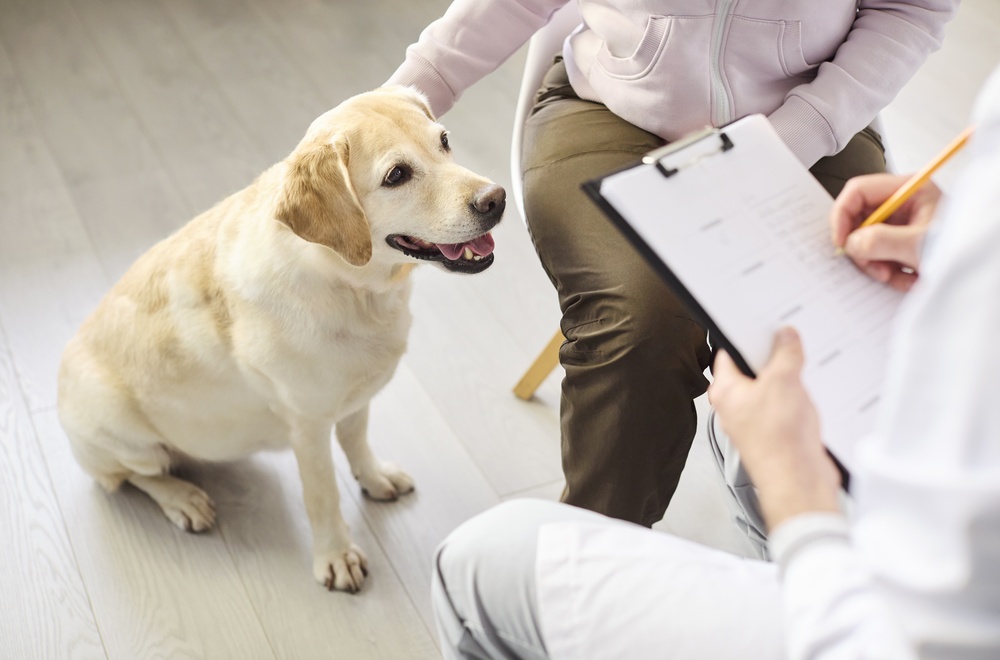
Orthopedic injuries in pets can be obvious after trauma, but they can also be subtle, intermittent, or difficult to pinpoint. Pets cannot tell us exactly where it hurts, and many dogs and cats instinctively hide pain. That is why diagnosing an orthopedic problem often requires several steps, including a physical exam, gait evaluation, orthopedic exam, pain localization, imaging, and sometimes advanced diagnostics.
At Oakland Veterinary Referral Services, our emergency and specialty teams evaluate pets with complex injuries, lameness, mobility problems, and orthopedic conditions. Understanding the diagnostic process can help pet parents know what to expect and why each step matters.
What Are Orthopedic Injuries in Pets?
Orthopedic injuries involve the bones, joints, ligaments, tendons, muscles, and other structures that support movement. These injuries can affect dogs and cats of any age, breed, or size.
Common orthopedic concerns in pets may include:
- Fractures or broken bones
- Sprains and strains
- Cranial cruciate ligament injuries
- Hip, knee, elbow, shoulder, or ankle injuries
- Patellar luxation
- Arthritis or degenerative joint disease
- Growth plate injuries in puppies and kittens
- Tendon or ligament injuries
- Traumatic injuries after a fall, accident, or rough play
- Joint instability
- Pain after a previous injury or surgery
Some pets develop orthopedic problems suddenly. Others show gradual changes over time.
Signs Your Pet May Have an Orthopedic Injury
Limping is one of the most common signs of an orthopedic problem, but it is not the only one. Some pets continue walking on an injured limb, while others avoid using it altogether.
Pet parents may notice:
- Limping or favoring one leg
- Holding a paw off the ground
- Stiffness after rest
- Difficulty rising
- Trouble jumping onto furniture or into the car
- Hesitation on stairs
- Slower walks
- Swelling around a joint or limb
- Sensitivity when touched
- Decreased activity
- Reluctance to play
- Crying out or reacting when moving
- Changes in posture
- Slipping, weakness, or poor coordination
Cats may show even subtler signs. A cat with orthopedic pain may stop jumping to favorite places, hide more, sleep more, avoid stairs, resist being picked up, or have litter box accidents because climbing into the box has become uncomfortable.
Step One: Medical History
The diagnostic process often begins with a detailed history. Your veterinarian will ask questions about what you have noticed at home and when the problem started.
Helpful information may include:
- When the limping or pain began
- Whether the problem came on suddenly or gradually
- Whether your pet had a fall, accident, rough play, or known injury
- Which leg seems affected
- Whether the limp is constant or comes and goes
- Whether symptoms are worse after exercise or after rest
- Whether your pet is eating, drinking, and acting normally
- Any medications or supplements your pet takes
- Previous injuries, surgeries, or medical conditions
Videos from home can also help, especially if your pet’s limp comes and goes or is hard to see in the exam room.
Step Two: Physical Exam
A physical exam helps the veterinarian evaluate your pet’s overall health and look for clues that may explain the mobility problem.
The veterinarian may check your pet’s:
- Heart and lungs
- Temperature
- Gum color
- Hydration
- Body condition
- Muscle condition
- Pain response
- Skin, paws, and nails
- General comfort level
This matters because not every limp is caused by a simple orthopedic injury. Pain, weakness, fever, infection, neurologic disease, systemic illness, or even a paw pad or nail injury may change how a pet walks.
A complete exam helps the veterinary team determine whether the problem appears orthopedic, neurologic, medical, or a combination of factors.
Step Three: Gait Evaluation
A gait evaluation allows the veterinarian to watch how your pet moves. This may involve observing your pet walking, trotting, turning, sitting, standing, rising, or navigating different surfaces.
During a gait evaluation, the veterinarian may look for:
- Which limb is affected
- Whether the pet is bearing weight
- Shortened stride
- Head bobbing
- Hip sway
- Toe dragging
- Knuckling
- Stiffness
- Weakness
- Lameness that worsens with movement
- Abnormal posture
- Differences between walking and trotting
Gait evaluation helps identify the problem pattern. For example, a dog with a knee injury may move differently than a dog with hip pain, elbow disease, spinal pain, or a neurologic issue.
Step Four: Orthopedic Exam
An orthopedic exam focuses more closely on the bones, joints, muscles, ligaments, and tendons. The veterinarian may gently move and palpate different areas to identify pain, instability, swelling, limited range of motion, or abnormal movement.
Depending on your pet’s symptoms, the exam may include evaluation of the:
- Paws and toes
- Wrists and ankles
- Knees
- Hips
- Elbows
- Shoulders
- Spine
- Muscles and tendons
- Joint range of motion
- Ligament stability
The veterinarian may compare both sides of the body to identify differences in swelling, muscle loss, pain, or movement.
Some pets are tense or painful during an exam. If needed, the vet may recommend pain medication or light sedation so the team can evaluate the injury safely and comfortably.
Step Five: Pain Localization
Pain localization means narrowing down where the discomfort is coming from. This can be more complicated than it sounds.
A pet may limp because of pain in the paw, but they may also limp because of pain in the shoulder, elbow, hip, knee, spine, or soft tissues. Some pets compensate for pain by shifting weight, which can make another area look abnormal.
Pain localization may involve:
- Watching movement
- Palpating joints and muscles
- Checking range of motion
- Looking for swelling or heat
- Assessing muscle loss
- Evaluating joint stability
- Comparing both limbs
- Considering neurologic signs
Accurate pain localization helps guide imaging and treatment recommendations.
Step Six: X-Rays
X-rays, also called radiographs, are commonly used to evaluate orthopedic injuries. They allow veterinarians to look at bones and joints and identify many structural problems.
X-rays may help diagnose:
- Fractures
- Joint changes
- Arthritis
- Hip dysplasia
- Elbow disease
- Patellar luxation-related changes
- Bone abnormalities
- Joint swelling
- Some growth plate injuries
- Evidence of previous trauma
X-rays are extremely useful, but they do not show every type of orthopedic injury. Ligaments, tendons, cartilage, and some soft-tissue structures may not be visible in detail on standard X-rays. That is why additional testing may be needed when symptoms and X-ray findings do not fully explain the problem.
Step Seven: Advanced Imaging
Some orthopedic injuries require more advanced diagnostics. Advanced imaging can help evaluate areas that are difficult to see with standard X-rays or provide more detail before surgery.
Depending on the case, advanced diagnostics may include:
- CT scan
- MRI
- Ultrasound
- Contrast studies
- Advanced radiographic views
Advanced imaging may be recommended when a pet has a complex injury, unclear diagnosis, suspected joint disease, spinal or neurologic signs, surgical planning needs, or persistent pain that does not match initial test results.
Step Eight: Arthroscopy
Arthroscopy is a minimally invasive procedure that allows a veterinarian to examine the inside of a joint using a small camera. It can be both diagnostic and therapeutic in some cases.
Arthroscopy may be used to evaluate joint surfaces, cartilage, inflammation, ligament structures, or certain joint conditions. It can be especially useful when the source of joint pain is not fully understood through exam and imaging alone.
Because arthroscopy is a specialized procedure, it is typically performed by a veterinary surgical team with advanced training and equipment.
Is It Orthopedic or Neurologic?
Some pets who appear to be limping may actually have a neurologic problem. Weakness, balance changes, dragging paws, knuckling, wobbliness, or sudden inability to walk may point to the nervous system rather than a joint or bone injury.
This distinction is important because orthopedic and neurologic conditions may require different testing and treatment.
Signs that may suggest a neurologic component include:
- Dragging one or more paws
- Knuckling over
- Wobbling or poor coordination
- Weakness rather than pain
- Sudden paralysis
- Loss of balance
- Neck or back pain
- Changes in bladder or bowel control
If your pet has sudden weakness, paralysis, severe pain, or inability to walk, seek veterinary care right away.
When an Orthopedic Injury Is an Emergency
Your family veterinarian can evaluate some limps during a scheduled appointment. Others need urgent or emergency care.
Seek emergency veterinary care if your pet has:
- A known fall, accident, or trauma
- A limb that appears broken or deformed
- Sudden inability to walk
- Severe pain
- Non-weight-bearing lameness
- Rapid swelling
- Open wounds or bleeding
- Pale gums, collapse, or weakness
- Suspected back or neck injury
- Dragging limbs or paralysis
- Limping along with lethargy, fever, or not eating
If you are unsure whether your pet’s symptoms are urgent, call a veterinary professional for guidance.
When Specialty Referral May Be Recommended
Your family veterinarian may recommend referral to a veterinary specialist if your pet’s condition requires advanced diagnostics, surgical planning, specialized treatment, or ongoing management.
Referral may be recommended for:
- Complex fractures
- CCL injuries
- Persistent or unexplained lameness
- Joint instability
- Severe arthritis
- Hip, knee, or elbow problems
- Patellar luxation
- Injuries that may require surgery
- Cases that are not improving as expected
- Conditions that may benefit from arthroscopy or advanced imaging
- Pets with multiple medical concerns that complicate treatment
A specialist can help confirm the diagnosis, explain options, and recommend a treatment plan based on your pet’s condition, age, activity level, comfort, and long-term needs.
What Pet Parents Can Do Before the Appointment
Before your pet’s orthopedic evaluation, it can help to:
- Limit running, jumping, and rough play
- Keep your pet on a leash outside
- Prevent stair use if it worsens pain
- Take videos of the limp or mobility change
- Note when symptoms are better or worse
- Bring current medications and supplements
- Bring prior X-rays or medical records, if available
- Avoid giving human pain medications unless a veterinarian specifically instructs you to do so
Human medications such as ibuprofen, naproxen, acetaminophen, and aspirin can be dangerous for pets. Always ask your veterinarian before giving any medication.
Getting Answers for Your Pet’s Pain or Limping
Orthopedic injuries in pets can be frustrating because the signs are not always obvious and the diagnosis is not always immediate. A careful step-by-step approach helps veterinarians understand where the pain is coming from and what treatment options may help.
At Oakland Veterinary Referral Services, our emergency and specialty teams are here to support pets with orthopedic injuries, complex mobility problems, advanced diagnostic needs, and surgical concerns. Whether your pet needs urgent care after an injury or a specialty evaluation for ongoing lameness, OVRS works with pet parents and primary veterinarians to help pets receive the care they need.
If your pet is limping, painful, suddenly unable to walk, or not improving as expected, contact your family veterinarian or OVRS for guidance.