

The Hidden Cost of Cheap Pet Products
Pet care can be expensive, and many pet owners look for ways to save money. That is understandable. Between food, toys, treats, grooming supplies, preventatives, beds, leashes, crates, and veterinary care, the costs can add up quickly.
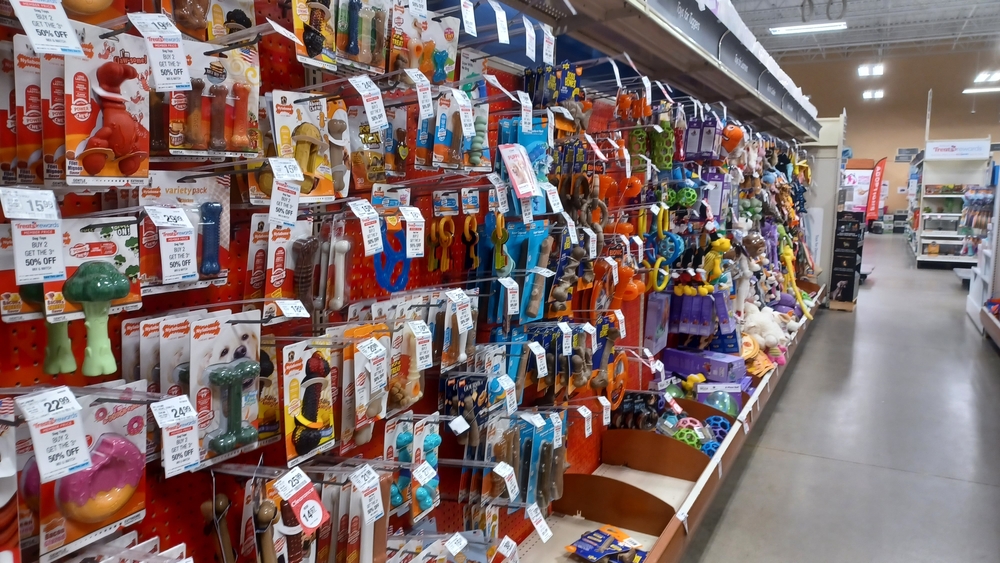
Budget-friendly products can be perfectly fine in many cases. Your pet does not need luxury accessories, designer bowls, or the most expensive toy on the shelf to be happy and healthy, and know that they are loved.
But some cheap pet products come with hidden costs. If a toy breaks apart, a leash fails, a chew splinters, or a product is poorly sized for your pet, the result may be more than an inconvenience. It can lead to injury, illness, emergency veterinary care, or replacement costs that exceed what you saved in the first place.
At Oakland Veterinary Referral Services, we know pet owners want to make smart decisions for their pets and their budgets. The goal is not to buy the most expensive version of everything. The goal is to know where it is safe to save and where quality, durability, and proper fit matter most.
Cheap Does Not Always Mean Unsafe
First, let’s be clear: inexpensive does not automatically mean dangerous. Many affordable pet products are safe, useful, and well made. A simple stainless-steel bowl, washable blanket, basic leash, or low-cost enrichment toy may be a great choice.
The problem is not price alone. The problem is poor construction, weak materials, unsafe design, incorrect sizing, or products that do not match your pet’s behavior.
A bargain product may not be a bargain if it:
- Breaks easily
- Has small parts your pet can swallow
- Splinters or cracks
- Contains sharp edges
- Fails under pressure
- Is too small or too large
- Is difficult to clean
- Encourages unsafe chewing
- Needs to be replaced repeatedly
When shopping for your pet, think less about the price tag and more about safety, durability, and how your individual pet will use the product.
Toys: Fun Until They Become Foreign Bodies
Toys are among the easiest places to overspend, but they are also among the easiest places to make unsafe choices. A toy that is too small, too flimsy, or easy to shred can pose a choking hazard or risk of intestinal obstruction.
Use extra caution with toys that have:
- Small squeakers
- Plastic eyes
- Bells
- Strings or ribbons
- Loose stuffing
- Thin rubber
- Easily torn fabric
- Pieces that can be chewed off
- Parts small enough to swallow
Some dogs gently carry toys. Others destroy them in minutes. A toy that is safe for one pet may be unsafe for another.
If your dog is a powerful chewer, buying cheap plush toys repeatedly may end up costing more than choosing a durable toy designed for strong chewers. Even durable toys should be inspected regularly and removed when damaged.
For cats, watch for toys with strings, yarn, feathers, elastic, or small detachable parts and use with caution. Cats may swallow string-like materials, which can cause serious digestive problems.
Chews: Where “Natural” Does Not Always Mean Safe
Chews can help relieve boredom and support appropriate chewing, but some chews are too hard, too brittle, or too easy to swallow.
Very hard chews may contribute to broken teeth. Splintering chews may irritate or injure the mouth or digestive tract. Small chews may become choking hazards.
Use caution with:
- Bones
- Antlers
- Hooves
- Hard nylon chews
- Thin rawhide pieces
- Chews that become sharp or splintered
- Chews small enough to swallow whole
- Chews that upset your pet’s stomach
The safest chew depends on your pet’s size, chewing style, dental health, and medical history. If you are unsure, ask your veterinarian what types of chews are appropriate for your pet.
A cheaper chew is not worth the savings if it leads to a fractured tooth, choking episode, vomiting, diarrhea, pancreatitis, or an obstruction concern.
Collars, Harnesses, and Leashes: When Failure Can Be Dangerous
A collar, harness, or leash does not need to be fancy, but it does need to be secure and properly fitted. Weak clips, poor stitching, cheap buckles, or incorrect sizing can allow a pet to slip free.
That can lead to:
- Running into traffic
- Getting lost
- Dog fights
- Falls or injuries
- Emergency visits
- Stress for both pet and owner
Before buying a collar, harness, or leash, check the weight rating, hardware, stitching, and fit. Make sure the product is appropriate for your pet’s size and strength.
Retractable leashes deserve special caution. They can allow dogs to get too far ahead, tangle around people or pets, or make it harder to control a dog quickly in traffic, crowded areas, or around other animals. A standard leash is often the safer choice for everyday walks.
Crates, Gates, and Carriers: Safety Depends on Fit and Strength
Crates, gates, and carriers are meant to keep pets safe, but only if they are sturdy and properly sized.
A crate that is too weak may bend or break if a dog panics or pushes against it. A gate that does not latch securely may fail. A carrier that is too small may be uncomfortable, while one that is poorly constructed may open unexpectedly.
Choose crates and carriers that:
- Are appropriately sized
- Have secure latches
- Are well ventilated
- Do not have sharp edges
- Are strong enough for your pet
- Are easy to clean
- Are appropriate for travel when needed
For cats, a sturdy carrier is especially important. A carrier that opens unexpectedly in a parking lot or veterinary lobby can create a frightening and dangerous situation.
Bowls and Feeders: Simple Is Often Best
Food and water bowls are one area where basic products can work very well. Many pets do perfectly fine with simple, washable bowls.
Stainless steel bowls are often a smart choice because they are durable, easy to clean, and less likely to develop scratches that trap residue. Plastic bowls can be lightweight and inexpensive, but they may scratch, stain, retain odors, or become harder to sanitize over time.
Slow feeders and puzzle feeders can be useful for some pets, especially those who eat too quickly. However, they should be easy to clean and appropriate for your pet’s face shape, size, and frustration tolerance.
A product that is difficult to clean may contribute to odor, residue, bacteria buildup, or skin irritation around the mouth.
Beds and Blankets: Comfort, Washability, and Support Matter
Not every pet needs an expensive orthopedic bed, but some pets need more support than others. Senior pets, large-breed dogs, thin dogs, and pets with arthritis or mobility issues may be more comfortable on supportive bedding.
A cheap bed that flattens quickly may need frequent replacement and may not provide enough cushioning for joints.
Look for bedding that is:
- Washable
- Durable
- Appropriately sized
- Supportive enough for your pet
- Free of loose stuffing if your pet likes to shred
- Easy for your pet to get on and off
For dogs who chew or destroy beds, supervision and product choice matter. Swallowed fabric or stuffing can become a serious problem.
Clothing, Costumes, and Accessories: Cute Should Still Be Safe
Pet clothing and costumes can be fun, but they should never interfere with breathing, movement, vision, hearing, urination, or normal behavior.
Avoid accessories that are:
- Too tight
- Too loose
- Easy to chew off
- Covered in small detachable pieces
- Restrictive around the neck or chest
- Likely to overheat your pet
- Stressful for your pet to wear
If your pet freezes, paws at the item, hides, pants, or tries to remove it, the outfit may not be worth the photo.
Grooming Tools: The Wrong Tool Can Irritate Skin
At-home grooming can save money, but the wrong products may cause discomfort or injury. Dull clippers, harsh brushes, poor-quality nail trimmers, or human grooming products can irritate skin, pull fur, cut nails too short, or create stress.
Use pet-safe shampoos and tools designed for your pet’s coat type. If your pet has mats, skin disease, ear problems, or severe anxiety with grooming, professional help may be safer.
Cheap grooming products are not always a problem, but they should be gentle, clean, and appropriate for your pet.
Cleaning Products: Pet-Safe Matters
Pet messes happen. Choosing safe cleaning products matters because pets walk on floors, lick paws, sniff surfaces, and spend time close to the ground.
Avoid using harsh chemicals without proper ventilation, and follow label directions carefully. Store all cleaning products securely away from pets.
For urine, vomit, or fecal accidents, enzymatic cleaners designed for pet messes can be helpful. A low-cost cleaner that does not fully remove odor may lead to repeat accidents or lingering smells.
Food and Treats: Compare Value, Not Just Price
Pet food is one of the highest ongoing costs of pet ownership. It is tempting to choose the lowest-priced bag, but the better comparison is cost per serving, nutritional quality, digestibility, and whether the food meets your pet’s needs.
A cheaper food may not save money if your pet needs to eat more of it, develops digestive upset, refuses it, or requires frequent diet changes.
Treats can also add up quickly. To save safely:
- Use small pieces
- Count treats as part of daily calories
- Avoid rich or fatty treats
- Use part of your pet’s regular kibble for rewards
- Avoid treats that are too hard, small, or easy to swallow whole
- Ask your veterinarian before using specialty diets, supplements, or “health” treats
Pets do not need expensive treats to feel loved. They need safe, appropriate rewards used in moderation.
Online Bargains: Be Careful With Medications and Preventatives
Shopping online can save money, but be cautious with medications, supplements, and parasite preventatives.
Prescription medications and preventatives should come from your veterinarian, your veterinary hospital’s online pharmacy, or a reputable pharmacy. Products from unknown sellers may be expired, improperly stored, mislabeled, counterfeit, or inappropriate for your pet.
This is especially important for:
- Heartworm prevention
- Flea and tick prevention
- Prescription diets
- Pain medications
- Eye medications
- Chronic disease medications
- Supplements making medical claims
If a price seems unusually low, ask your veterinary team before purchasing.
Where It Is Usually Safe to Save
You can often save money on:
- Simple bowls
- Washable blankets
- Basic pet beds for healthy pets
- DIY enrichment games
- Toy rotation
- Basic grooming brushes
- Poop bags
- Storage bins
- Training treats made from regular food
- Cardboard boxes for supervised cat enrichment
- Discounted but reputable products from trusted retailers
Budget-friendly choices are not the problem. Unsafe or poorly matched products are.
Where Quality Matters Most
Consider investing more carefully in:
- Leashes and harnesses
- Collars with reliable ID tags
- Cat carriers
- Crates and gates
- Chews for strong chewers
- Toys for destructive pets
- Bedding for senior or arthritic pets
- Nail trimmers and grooming tools
- Pet-safe cleaning products
- Prescription medications and preventatives
- Food that meets your pet’s nutritional needs
These items can affect safety, comfort, and long-term cost.
How to Shop Smarter for Pet Products
Before buying a product, ask:
- Is it the right size for my pet?
- Can my pet chew pieces off?
- Could this become a choking hazard?
- Is it easy to clean?
- Is it durable enough for my pet’s behavior?
- Does it have sharp edges or weak parts?
- Is it appropriate for my pet’s age and health?
- Will I need to replace it often?
- Is this product supervised-use only?
- Would my veterinarian recommend avoiding this type of item?
A little extra thought before buying can help prevent expensive problems later.
Watch Your Pet With New Products
Even well-made products should be introduced with supervision. Watch how your pet interacts with a new toy, chew, bed, feeder, crate, harness, or accessory.
Remove the product if your pet:
- Chews off pieces
- Swallows parts
- Becomes frustrated or stressed
- Gets tangled
- Has trouble breathing or moving normally
- Shows skin irritation
- Develops vomiting or diarrhea after using it
- Tries to escape from it
- Damages it quickly
No product is safe for every pet.
The Best Pet Product Is the One That Fits Your Pet
The smartest purchase is not always the cheapest or the most expensive. It is the product that fits your pet’s size, health, behavior, lifestyle, and safety needs.
A bargain toy that gets destroyed in five minutes may not be a bargain. A flimsy leash that breaks near traffic is not worth the savings. A hard chew that fractures a tooth can become much more expensive than a safer alternative.
But a simple washable blanket, a sturdy basic bowl, or a homemade enrichment game may be just as good as a premium version.
The goal is to save where you can and invest where it matters.
Saving Money Should Not Mean Taking Unnecessary Risks
Pet owners do not need to buy the most expensive products to care for their dogs and cats well. But choosing safe, durable, appropriately sized products can help prevent injuries, illness, escapes, and avoidable emergencies.
At Oakland Veterinary Referral Services, we often see how quickly an everyday situation can become urgent. Smart product choices are one way to help protect your pet and your budget. Make sure that cheap pet products are safe and make sense for your pet.
If your pet swallows part of a toy, breaks a tooth, has trouble breathing, collapses, is injured, or shows signs of pain, contact your veterinarian or seek emergency veterinary care right away.
OVRS Emergency and Critical Care is available 24/7 when your pet needs urgent help.