

Arthritis Isn’t Just an Old-Dog Problem
When a dog begins moving more slowly, struggling with stairs, or hesitating before jumping into the car, it is easy to assume that age has finally caught up with them.
Aging can make arthritis in dogs more noticeable, but old age does not tell the whole story. Osteoarthritis can affect dogs of many ages, and the process often begins long before obvious pain or stiffness appears. Joint abnormalities, injuries, instability, excess weight, and years of repetitive stress can all contribute.
Recognizing the risks and early signs gives pet parents and veterinarians a better opportunity to protect mobility, manage pain, and help dogs remain active.
What Is Osteoarthritis in Dogs?
Osteoarthritis in dogs, also called degenerative joint disease, is a chronic, progressive condition that affects one or more joints.
Healthy cartilage covers and cushions the ends of bones within a joint, allowing smooth movement. When cartilage and other joint tissues become damaged, inflammation develops and the joint gradually changes. This can cause pain, stiffness, reduced range of motion, and difficulty moving normally.
Although arthritis commonly affects older dogs, it is not simply an unavoidable consequence of aging. Many dogs develop osteoarthritis because another orthopedic condition or injury has placed abnormal stress on a joint.
What Causes Arthritis in Younger Dogs?
Some dogs face a higher arthritis risk from puppyhood because of how their joints developed. Others experience an injury or condition that damages a joint later in life.
Common factors that can contribute to arthritis include:
- Hip dysplasia
- Elbow dysplasia
- Patellar luxation
- Cranial cruciate ligament injuries
- Osteochondritis dissecans
- Joint instability
- Previous fractures or joint trauma
- Abnormal limb structure or alignment
- Repetitive high-impact activity
- Excess body weight
- Previous joint infection or inflammation
- Genetics and breed-related risks
A young dog may appear active and comfortable even while an underlying joint problem begins causing damage. In other cases, a dog may limp temporarily after an injury, appear to recover, and develop arthritis in that joint years later.
This is why veterinarians look beyond a dog’s age when evaluating limping, stiffness, altered movement, or declining activity.
Does Excess Weight Cause Arthritis?
Excess weight increases arthritis risk and can worsen an existing joint condition.
Additional pounds place more mechanical stress on the hips, knees, elbows, spine, and other weight-bearing structures. Fat tissue also produces substances that promote inflammation, so the effects go beyond simple wear and tear.
Maintaining a healthy body condition cannot prevent every case of arthritis, especially when a dog has a developmental joint disorder or previous injury. However, weight management remains one of the most important ways to reduce unnecessary joint strain and support mobility.
If your dog needs to lose weight, ask your veterinarian for a safe nutrition and activity plan. Reducing food without professional guidance can also reduce essential nutrients and protein needed to preserve muscle.
Early Signs of Arthritis in Dogs Can Be Easy to Miss
Dogs do not always cry, whine, or limp dramatically when they experience chronic joint pain. Early changes may appear gradually and can look like aging, stubbornness, or declining interest.
Watch for signs such as:
- Stiffness after sleeping or resting
- Difficulty rising from the floor
- Hesitation before using stairs
- Reluctance to jump onto furniture or into the car
- Shorter walks or a slower walking pace
- Falling behind during family outings
- Limping that comes and goes
- Shifting weight away from one leg
- A narrow stance or altered posture
- Less interest in running or playing
- Difficulty finding a comfortable resting position
- Licking or chewing over a joint
- Irritability when touched or moved
- Sleeping more or withdrawing from family activities
- Loss of muscle over the hips, thighs, or shoulders
A dog may also change how they perform a familiar activity. They may pause before climbing steps, use both back legs together when running, sit with one leg extended, or pull themselves up primarily with the front legs.
These small changes can provide important clues.
Cats Can Develop Arthritis Too
Dogs tend to show mobility problems more openly, but arthritis also affects cats. Cats often conceal discomfort and simply change their routines.
An arthritic cat may stop jumping onto a favorite surface, choose lower resting places, struggle to enter a high-sided litter box, groom less thoroughly, or become less social. Because these changes happen gradually, families may mistake them for normal aging.
Any persistent change in mobility or behavior deserves veterinary attention, regardless of the pet’s age or species.
How Veterinarians Diagnose Arthritis
Not every limp or mobility change is caused by arthritis. Ligament injuries, fractures, spinal problems, muscle injuries, neurologic conditions, infections, and other diseases can cause similar signs.
Your veterinarian may begin with:
- A discussion of changes you have noticed at home
- A physical and orthopedic examination
- Observation of how your pet stands and walks
- Evaluation of joint movement, stability, swelling, and pain
- Assessment of muscle mass and body condition
- X-rays of the affected area
Some pets need additional imaging or specialty evaluation, especially when the source of pain remains unclear, the condition appears complex, or surgery may offer the best treatment.
Videos from home can also help. Consider recording your dog rising, walking, using stairs, or performing an activity that has become difficult. Pets may move differently in the veterinary hospital because of excitement, nervousness, or adrenaline.
Treating the Whole Dog, Not Just the Joint
Arthritis has no single universal treatment. The right plan depends on the underlying cause, the joints involved, disease severity, pain level, body condition, age, general health, and daily activities.
Veterinarians often use a multimodal approach that addresses arthritis in several ways. A treatment plan may include:
Pain Management for Arthritis in Dogs
Veterinarians can choose from several prescription medications and injectable therapies for arthritis pain. The safest and most appropriate options depend on the pet’s health, medications, and response to treatment.
Never give a dog human pain relievers unless a veterinarian specifically directs you to do so. Common medications such as ibuprofen and naproxen can cause life-threatening toxicity in pets.
Weight and Nutrition Support
Reaching or maintaining a healthy weight reduces joint stress. Your veterinarian may also discuss a therapeutic diet, omega-3 fatty acids, or selected joint-support products.
Supplements vary considerably in quality and evidence, so ask your veterinarian before adding one to your pet’s regimen.
Controlled Exercise
Complete inactivity can contribute to stiffness, muscle loss, weight gain, and further mobility decline. Most arthritic dogs benefit from regular, low-impact movement adapted to their abilities.
Short, consistent walks often work better than strenuous weekend outings. Your veterinary team can help you determine an appropriate type and amount of activity.
Rehabilitation
Veterinary rehabilitation may use therapeutic exercise, hydrotherapy, manual techniques, laser therapy, and other modalities to support strength, balance, flexibility, and comfortable movement.
A personalized program matters. An exercise that benefits one dog may place too much stress on another dog’s unstable or painful joint.
Home Modifications
Small environmental changes can make daily activities safer and easier:
- Add rugs or traction mats to slippery floors.
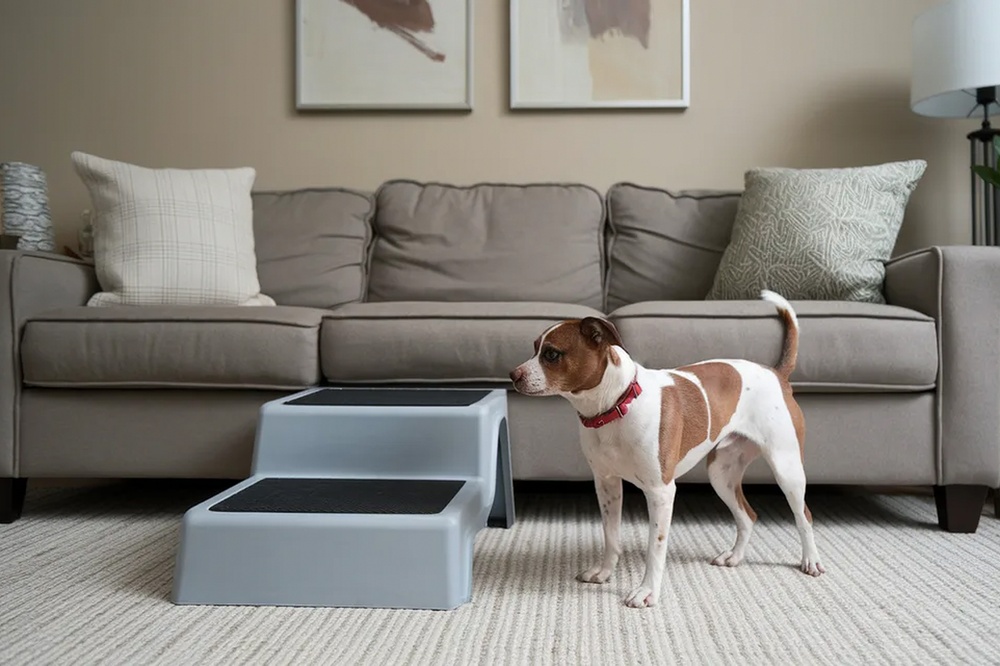
- Use ramps or steps where appropriate.
- Provide supportive bedding.
- Keep nails and paw fur trimmed for better traction.
- Use a harness for support when needed.
- Make food, water, and resting areas easy to reach.
- Prevent uncontrolled jumping and slipping.
Surgery
When arthritis develops because of joint instability, a ligament injury, severe dysplasia, or another structural problem, surgery may address the underlying cause or improve function.
Surgery cannot reverse every arthritic change that has already occurred, but treating instability or correcting a joint problem may reduce pain and help limit additional damage. A veterinary surgeon can explain the likely benefits, limitations, recovery requirements, and non-surgical alternatives.
Why Earlier Evaluation Matters
Osteoarthritis progresses over time. Once substantial joint damage and muscle loss occur, restoring comfortable movement becomes more difficult.
Early evaluation may reveal a developmental abnormality, ligament injury, unstable kneecap, or another treatable condition before the damage becomes advanced. It also gives families time to address weight, modify activity, improve the home environment, and begin appropriate pain or mobility support.
Do not wait for a dog to stop using a leg before seeking help. Intermittent limping, stiffness, reduced enthusiasm, and subtle movement changes all warrant a conversation with your veterinarian.
Helping Dogs Stay Comfortable at Every Age
Arthritis in dogs may become more common with age, but it does not belong exclusively to senior dogs—and pain should never be dismissed as “just getting old.”
Dogs of different breeds, sizes, and ages can develop joint disease. By recognizing risk factors and responding to early changes, pet parents can help protect mobility and quality of life.
If your dog is limping, slowing down, struggling with everyday movement, or not improving as expected, contact your family veterinarian. Your veterinarian may recommend advanced diagnostics or a referral to the Surgery team at Oakland Veterinary Referral Services.
OVRS works with pet parents and referring veterinarians to evaluate complex orthopedic conditions and develop individualized surgical or non-surgical treatment recommendations.
Keep Exploring
Learn more about orthopedic health, joint pain, and specialty care:
- How Veterinarians Diagnose Orthopedic Injuries in Pets
- Low-Impact Exercise for Dogs With Joint Pain
- Manage Winter Arthritis Pain in Dogs and Cats
- When Cats Stop Jumping: What Mobility Changes May Mean
- Orthopedic Surgery for Senior Pets: Is My Pet Too Old?
- Veterinary Surgery at OVRS
- TPLO Surgery for Dogs