

Manage Winter Arthritis Pain in Dogs and Cats
Cold weather can be especially tough on pets with arthritis. As temperatures drop, many dogs and cats become stiffer, slower to rise, and less interested in activity. You may notice hesitation on stairs, difficulty jumping, or a reluctance to go outside at all.
While winter can worsen joint discomfort, the season doesn’t have to mean months of pain or inactivity. With the right combination of warmth, movement, environmental support, and medical care, you can help manage winter arthritis pain in dogs and cats.
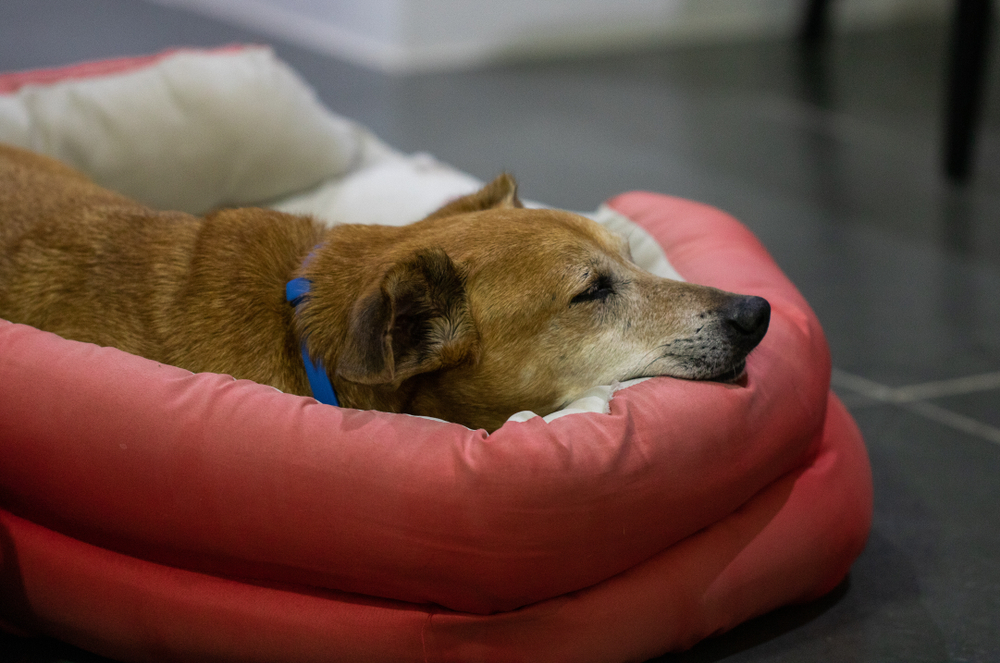
Keep Pets Warm — But Not Sedentary
Cold temperatures can tighten muscles and reduce circulation, increasing stiffness and discomfort. Limiting prolonged exposure to cold weather helps protect sensitive joints.
- Keep outdoor trips brief during extreme cold
- Use well-fitted coats or sweaters for dogs who tolerate them
- Dry paws and limbs after exposure to snow or moisture
- Provide warm resting areas away from drafts
- Heated beds or warming pads can be soothing, but always use pet-safe products and supervise their use.
Provide Supportive, Comfortable Resting Areas
Arthritic pets often need more recovery time, but comfort matters. Firm, supportive bedding reduces pressure on sore joints and makes it easier for pets to get up.
Orthopedic or memory foam beds can:
- Distribute weight evenly
- Reduce joint stress
- Improve sleep quality
- Help prevent pressure sores in less mobile pets
Place beds in quiet, warm areas where your pet doesn’t have to climb stairs or navigate obstacles.
Make Your Home Mobility-Friendly
Slippery floors are one of the biggest hazards for pets with arthritis. Even minor slips can cause pain, fear of movement, or injury.
Simple changes can make a huge difference:
- Add rugs or non-slip mats on hard flooring
- Use ramps or pet stairs for furniture and vehicles
- Keep nails trimmed to improve traction
- Raise food and water bowls to reduce strain
- Provide easy access to essentials on one level
Reducing physical barriers encourages pets to move more confidently — and movement is critical for joint health.
Maintain a Healthy Weight
Extra weight puts significant additional stress on already compromised joints. Even a small amount of weight loss can improve mobility and comfort.
Because pets are often less active in winter, it’s important to:
- Monitor portion sizes
- Avoid excess treats
- Use low-impact exercise to maintain muscle mass
- Work with your veterinarian on a safe weight plan
Healthy weight management is one of the most effective ways to slow the progression of arthritis.
Encourage Gentle, Regular Movement
It may seem kind to let an arthritic pet rest all winter, but inactivity actually worsens stiffness and muscle loss. Regular, controlled movement keeps joints lubricated and supporting muscles strong.
Instead of long or intense activity:
- Take multiple short walks rather than one long outing
- Warm up slowly before exercise
- Choose flat, stable surfaces
- Avoid icy or uneven terrain
- Watch for signs of fatigue or pain
For cats, encourage movement with interactive toys, food puzzles, or easy-access climbing options.
Consider Physical Rehabilitation
Veterinary rehabilitation can be especially helpful during winter months. Rehabilitation professionals use targeted therapies to reduce pain, improve flexibility, and rebuild strength without overloading joints.
Therapies may include:
- Therapeutic exercise programs
- Underwater treadmill therapy
- Laser therapy
- Manual therapy and stretching
- Balance and coordination training
Rehabilitation is not just for post-surgical recovery — it can dramatically improve quality of life for chronic arthritis patients.
Work With Your Veterinarian on Pain Management
If your pet seems more uncomfortable during winter, their treatment plan may need adjustment. Arthritis is a progressive condition, and needs can change over time.
Your veterinarian may recommend:
- Anti-inflammatory medications
- Pain-control medications
- Joint supplements
- Injectable therapies
- Lifestyle modifications
Never start or adjust medications without veterinary guidance.
Watch for Signs That Arthritis Is Worsening
Contact your veterinarian if you notice:
- Difficulty rising or lying down
- Reluctance to move, climb, or jump
- Increased irritability or withdrawal
- Changes in appetite or sleep
- Accidents in the house
- Limping or stiffness that persists
These signs may indicate uncontrolled pain or another underlying condition.
Helping Your Pet Stay Comfortable All Season
Manage winter arthritis pain in dogs and cats. Management is about balance — protecting joints from cold while maintaining safe activity and muscle strength. With thoughtful adjustments and professional support, many pets remain active, happy companions year-round.
At Oakland Veterinary Referral Services, our specialists work with primary veterinarians and pet owners to develop comprehensive plans to manage chronic conditions such as arthritis. If your pet is struggling with mobility or comfort this winter, we’re here to help.
📞 Call (248) 334-6877 to learn more or schedule a consultation.