

Helping a Newly Adopted Pet Feel Safe After Trauma
Bringing home a newly adopted pet is a meaningful and rewarding experience—but for rescue animals with a history of neglect, abuse, or uncertainty, the transition can feel overwhelming. Helping a rescue pet feel safe can be rewarding, but it can also be a challenge.
While some pets adjust quickly, others need time, patience, and a thoughtful approach to feel safe again. Understanding how to support your pet during this critical period can help build trust, reduce fear, and set the foundation for a healthy, lasting bond.
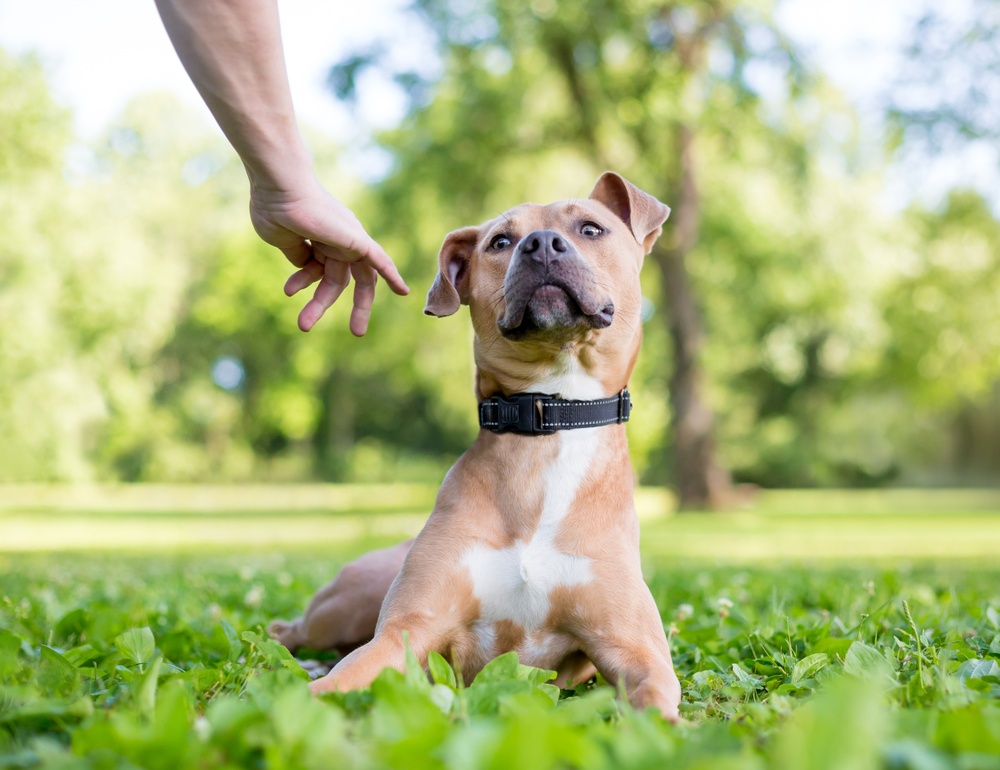
The First Few Days: Focus on Safety and Stability
The initial days in a new home are often the most stressful for a pet recovering from trauma. Everything is unfamiliar, and even well-meaning attention can feel overwhelming.
During this time, it’s important to create a calm, predictable environment.
- Keep noise levels low and routines consistent
- Limit visitors and new experiences
- Provide a quiet, comfortable space for your pet to retreat
- Allow your pet to observe rather than immediately engage
Giving your pet time to decompress is one of the most important steps in helping them feel secure.
Let Your Pet Set the Pace
It’s natural to want to comfort and bond with your new pet right away, but trust must be earned gradually—especially for animals with a difficult past.
- Avoid forcing interaction or physical contact
- Let your pet approach you when they feel ready
- Use a calm voice and slow movements
- Reward voluntary engagement with treats or praise
Allowing your pet to take the lead helps them feel more in control and reduces anxiety.
Establish a Predictable Routine
Consistency is key when helping a pet feel safe. A predictable routine allows your pet to understand what to expect and reduces uncertainty.
Focus on maintaining regular times for:
- Feeding
- Walks
- Playtime
- Rest
Over time, this structure builds confidence and helps your pet relax into their new environment.
Recognize Signs of Stress and Fear
Pets recovering from trauma may display behaviors that reflect fear rather than disobedience.
Common signs of stress include:
- Hiding or withdrawing
- Excessive panting or pacing
- Growling or defensive behavior
- Loss of appetite
- Accidents in the house
Responding with patience—not punishment—is essential. These behaviors are your pet’s way of communicating discomfort.
Use Positive Reinforcement
Positive, reward-based training is one of the most effective ways to help a pet rebuild confidence.
- Reward calm behavior and small successes
- Keep training sessions short and low-pressure
- Avoid harsh corrections or punishment
This approach helps your pet associate their new environment with safety and positive experiences.
Introduce New Experiences Gradually
Introducing your pet to new people, animals, and environments should be done slowly and thoughtfully.
- Start with low-stress situations
- Allow your pet to observe from a distance
- Gradually increase exposure as confidence improves
Rushing this process can lead to setbacks, so it’s important to move at your pet’s pace.
Support Physical and Emotional Healing
In some cases, pets with a history of trauma may also have underlying medical concerns. Pain or discomfort can contribute to fear, anxiety, or behavioral challenges.
A veterinary evaluation can help identify any health issues and ensure your pet is physically comfortable as they adjust.
You may also find it helpful to learn more about the behavioral side of recovery in our blog:
👉 https://www.ovrs.com/blog/healing-invisible-wounds-behavioral-support-to-help-abused-pets/
When to Seek Professional Help
Some pets need additional support to fully recover from trauma. If your pet shows persistent fear, anxiety, or aggression, professional guidance can make a significant difference.
Working with your veterinarian or a behavior specialist can help create a customized plan that supports both emotional and physical healing.
You can also explore:
👉 https://www.ovrs.com/blog/challenges-with-shelter-pets/ for additional insight into common adjustment challenges.
Healing Takes Time
Every pet’s journey is different. When you’re helping a rescue pet feel safe, some may begin to relax within weeks, while others may take months to fully adjust.
With patience, consistency, and understanding, even the most hesitant pets can learn to feel safe, secure, and loved.
At Oakland Veterinary Referral Services (OVRS), we understand the unique challenges pets face after trauma. If your pet is struggling with behavioral or medical concerns, our teams are here to support their recovery and long-term well-being