

Medical Care for Service Dogs: How Their Medical Needs Differ from That of Pets
Service dogs are far more than companions — they are highly trained working partners and, for many people, true lifelines. From guiding individuals with visual impairments to alerting handlers to seizures, blood sugar changes, or panic attacks, these dogs perform complex tasks that support independence, safety, and quality of life every day.
Because they are constantly on duty, the medical needs of service dogs differ significantly from those of typical household pets. Maintaining their health isn’t just about comfort — it’s essential to their ability to perform lifesaving work. Here’s how medical care for service dogs differs from that of pets.
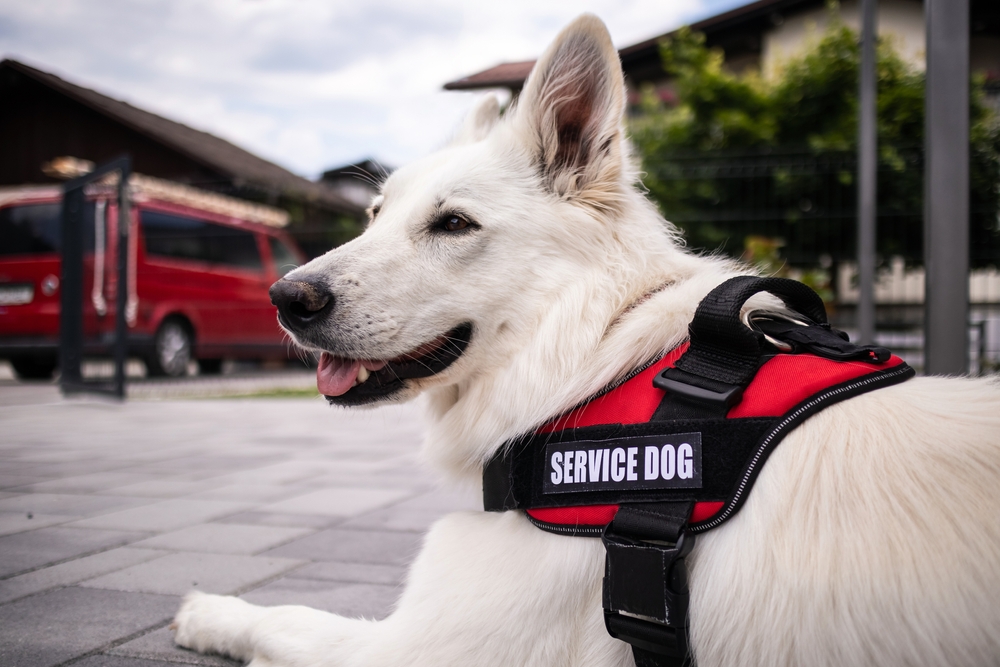
Physical Demands
Service dogs often place extraordinary strain on their bodies. Tasks such as bracing for mobility support, pulling wheelchairs, navigating obstacles, retrieving objects, or working long hours on hard surfaces can lead to wear and tear on joints, muscles, and paw pads.
To keep these canine professionals working safely and comfortably, they often require:
• Regular orthopedic evaluations
• Joint support through supplements or medications
• Paw care to prevent cracking, burns, or injury
• Physical rehabilitation or conditioning programs
Preventing injury is critical, as even minor mobility issues can limit a dog’s ability to perform essential tasks.
Nutritional Demands
Peak performance requires optimal nutrition. Service dogs typically follow carefully designed diets that support sustained energy, cognitive function, muscle maintenance, and joint health.
Veterinarians may recommend specialized nutrition plans tailored to the dog’s workload, breed, age, and medical history. Maintaining a healthy body condition is especially important — excess weight can reduce stamina and accelerate joint damage, while inadequate nutrition can impair focus and endurance.
Mental and Emotional Demands
The life of a service dog is mentally intensive. These dogs must remain calm, focused, and responsive in busy public environments while constantly monitoring their handler’s needs.
Without proper downtime, enrichment, and stress management, service dogs can experience burnout. Regular assessments of behavior, stress levels, and emotional well-being help ensure they remain confident and capable partners.
Preventive Care and Early Detection
Routine veterinary care is important for all pets, but it is absolutely essential for working dogs. Small health issues that might be minor for a pet dog can become career-ending for a service animal.
Service dogs often receive more frequent wellness exams, screening tests, and early treatment for emerging conditions. Early detection helps preserve their working ability and prevents small problems from becoming serious disabilities.
Grooming and Hygiene Standards
Because service dogs accompany their handlers into public spaces — including restaurants, hospitals, and airplanes — they must meet higher hygiene standards than typical pets.
Regular grooming and bathing help:
• Reduce allergens and shedding
• Prevent skin infections
• Maintain coat and paw health
• Ensure comfort during long workdays
Proper grooming also protects the dog’s professional image and helps ensure public access remains smooth and respectful.
Planning for Illness or Retirement
Even the healthiest service dog may occasionally become ill or injured. Handlers must have contingency plans, such as alternative mobility aids or caregiver support.
If a service dog develops a chronic condition or age-related decline, retirement may be necessary. While emotionally difficult, retirement protects the dog’s well-being and allows them to enjoy a more relaxed life after years of dedicated service.
Specialized Care for Exceptional Dogs
Service dogs give extraordinary support to their humans — and they deserve equally exceptional medical care. At Oakland Veterinary Referral Services, we understand medical care for service dogs. Our board-certified specialists and emergency teams are equipped to manage complex conditions, orthopedic concerns, rehabilitation needs, and advanced diagnostics for working dogs and beloved pets.
If your service dog requires specialized care, our team is here to help keep them healthy, comfortable, and ready to do what they do best.Call (248) 334-6877 to learn more about our specialty and emergency services.