

Common Heart Emergencies in Pets
We love our pets because of their hearts. Their never-ending capacity for love makes it a little easier to live this life. What happens, though, when love becomes an emergency?
Understanding common heart emergencies in pets can help you ensure your pets receive the care they need, when they need it.
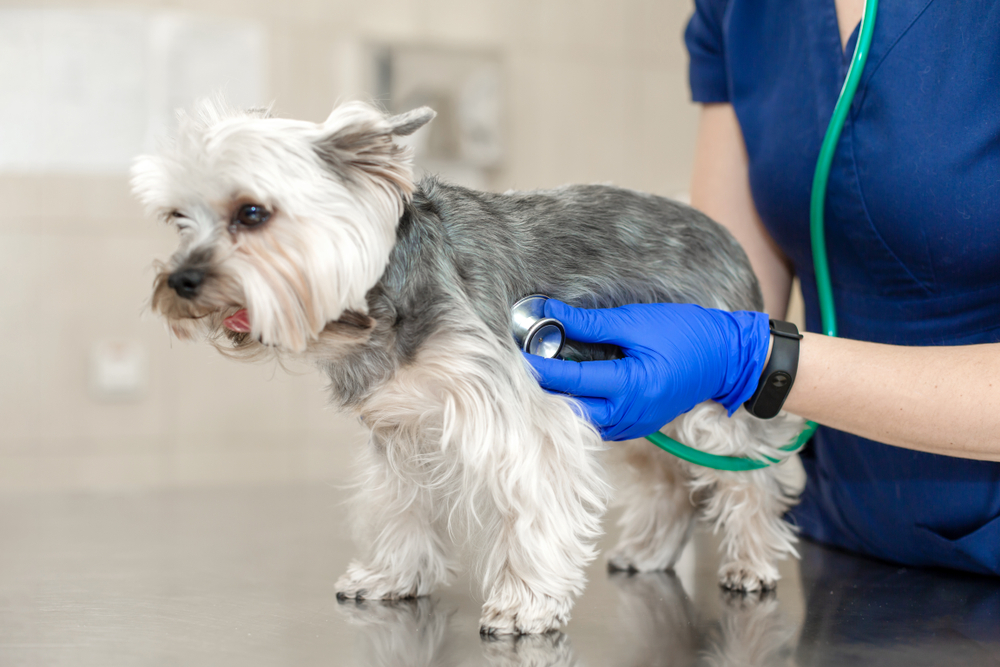
Spotting a Heart Emergency
Your pet’s cardiovascular system is a complicated structure with many moving parts. Any crisis that takes place here requires quick veterinary attention, so it’s important to know what signifies a cardiovascular emergency. Some common symptoms include:
- Difficulty breathing
- Repeated coughing
- Fainting
- Weakeness that seems to come out of nowhere
- Trouble with exercise
- Pale or blue gums
- Increased hiding
- Panting
- Getting tired easily
- Swollen abdomen
- Significant weight loss
- Sudden paralysis (cats with a blood clot in or near the heart often lose the ability to use rear limbs)
If you notice your pet demonstrating any of these symptoms, you should schedule an appointment with your veterinarian as soon as possible.
Common Cardiovascular Issues in Pets
Heart problems are not uncommon for animals. Some are the result of genetics, others are just part of the aging process. Recognizing signs of these issues promptly can help ensure your pet receives the treatment they need.
Cardiomyopathy
Cardiomyopathy affects the heart muscle and can occur in dogs and cats. Dogs may develop dilated cardiomyopathy, which weakens the heart muscle. Cats, on the other hand, might have to deal with hypertrophic cardiomyopathy, which thickens the heart wall muscles. While cardiomyopathy is not treatable, it is manageable, and many pets can live long, normal lives with the help of veterinary intervention
Myxomatous Mitral Valve Disease (MMVD)
This is a common heart issue in dogs that causes leaks in between the chambers of the heart. MMVD will often develop into congestive heart failure. Your veterinarian can prescribe medications and suggest lifestyle changes to manage symptoms and to improve the quality of life for dogs that have it.
Heartworm Disease
Heartworm disease is caused by a parasite transmitted by mosquito bites. Heartworm disease is more likely to affect dogs, but cats can get it too. In dogs, it can cause:
- Coughing
- Vomiting
- Respiratory distress
- Sudden death
There are some treatment options for dogs with heartworm disease, but they are expensive and come with a high risk. While cats are much less likely to contract heartworm disease, there is currently no approved cure for those who have it. The best option for both dogs and cats is always prevention.
Congenital Defects
Some pets are born with heart defects like pulmonic stenosis. These defects do not always present with noticeable symptoms, making them difficult to diagnose. Annual wellness and preventive visits can help your veterinary team find issues like these and determine the best treatment options for your pet.
Know Your Pet’s Heart
You know your pet’s heart better than anyone. If you notice anything unusual in your pet’s behavior, it’s important to seek immediate veterinary care to avoid one of these common heart emergencies in pets. If your pet needs advanced heart care, the expert team at Oakland Veterinary Referral Services is here for you. Call (248) 334-6877 to learn more about our cardiology services.