

Winter Allergies Are Real: Why Some Pets Are Itchy in Winter
When most people think about allergies, spring usually comes to mind. But just like humans, pets can suffer from allergies year-round—including in the winter. If your dog or cat is itchy, licking excessively, or dealing with recurring ear infections in December, winter allergies may be the culprit.
Understanding why winter allergies happen and how to manage them can help keep your pet comfortable through the colder months.
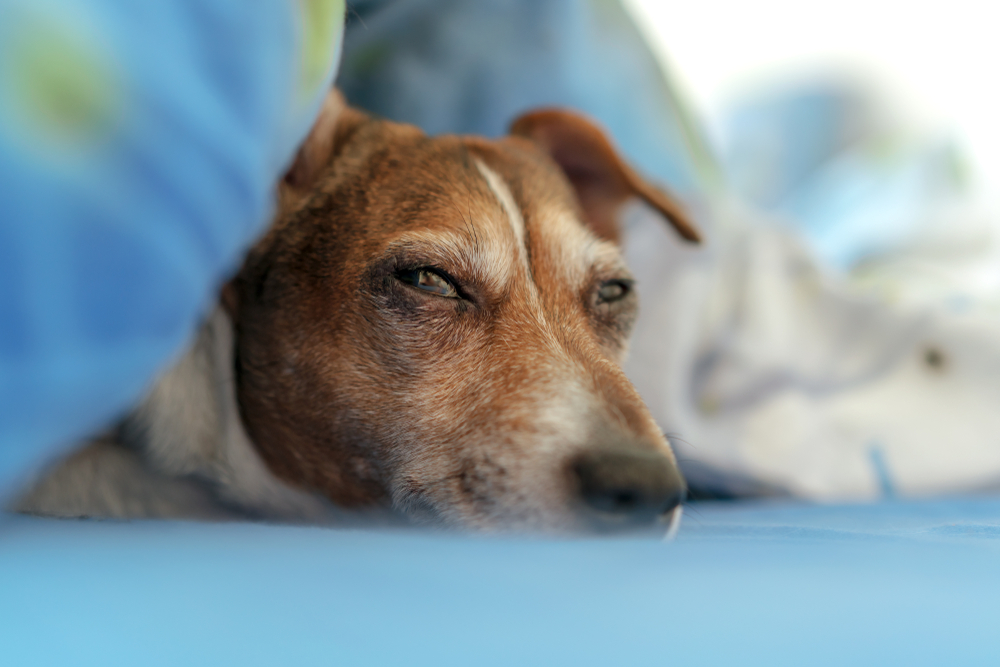
Winter Is in the Air… and on the Skin
During winter, pets spend significantly more time indoors, which increases their exposure to indoor allergens. Dry air from heating systems, dust accumulation, and reduced ventilation can create the perfect environment for allergic reactions.
Common winter allergens include:
- Dust mites
- Mold spores
- Dry indoor air that irritates the skin
This combination often leads to increased itching, inflammation, and skin discomfort—especially for pets with underlying sensitivities.
Symptoms of Winter Allergies in Pets
Unlike people, who often experience sneezing or congestion, pets typically show allergies through skin and ear issues. Watch for these common signs:
- Excessive scratching or chewing
- Repetitive licking (especially paws or legs)
- Red, inflamed, or flaky skin
- Recurrent ear infections
- Sneezing
- Runny nose
- Watery eyes
If these symptoms persist or worsen, it’s time to consult your veterinarian.
Winter Allergens Wreaking Havoc
Beyond dust mites and dry air, winter brings additional triggers in a closed-up house that can make allergy symptoms worse:
Tree Allergens
Some trees release pollen even during colder months, which can trigger allergic reactions in sensitive pets.
Scented Candles and Essential Oils
Many scented candles and oils contain chemicals that may irritate your pet’s skin or respiratory system. Always check with your veterinarian before using scented products around pets.
Seasonal Cleaning Products
Strong chemical cleaners can cause skin irritation or respiratory symptoms. Keep pets out of rooms being cleaned and store products securely.
Dusty Decorations
Holiday decorations stored all year can accumulate dust and mold. Cleaning them before display can reduce allergen exposure.
Visitors Bringing New Allergens
Guests may unknowingly bring pollen, dander, or other allergens into your home. Extra vacuuming after visits can help reduce buildup.
Furnace and HVAC Dust
Heating systems can circulate dust, mold spores, and other allergens throughout your home. Regular filter changes are essential during winter.
Helping Pets Cope with Winter Allergies
You can help minimize your pet’s allergy symptoms by:
- Vacuuming and dusting frequently
- Changing furnace and air filters regularly
- Limiting exposure to scented products
- Wiping paws and coats after outdoor time
If home management isn’t enough, your veterinarian can recommend treatments such as medications, special shampoos, or allergy testing. In some cases, immunotherapy may provide long-term relief.
Advanced Allergy Care at OVRS
If your pet’s symptoms persist despite standard treatments, Oakland Veterinary Referral Services offers advanced dermatology and allergy services. Our specialists work to identify underlying causes and create personalized treatment plans to help pets find lasting relief.📞 Call (248) 334-6877 to learn more or schedule a consultation.
