

Best Pooper Scoopers for Different Cleanup Needs
Picking up dog poop is not glamorous, but the right tool can make the job faster, cleaner, and considerably easier on your back.
The “best” pooper scooper is not necessarily one particular brand. A tool that works beautifully on concrete may struggle in long grass, while the perfect backyard system may be far too bulky for a walk.
The best choice depends on where you clean, how much waste you manage, and how much bending or hand strength is comfortable for you.
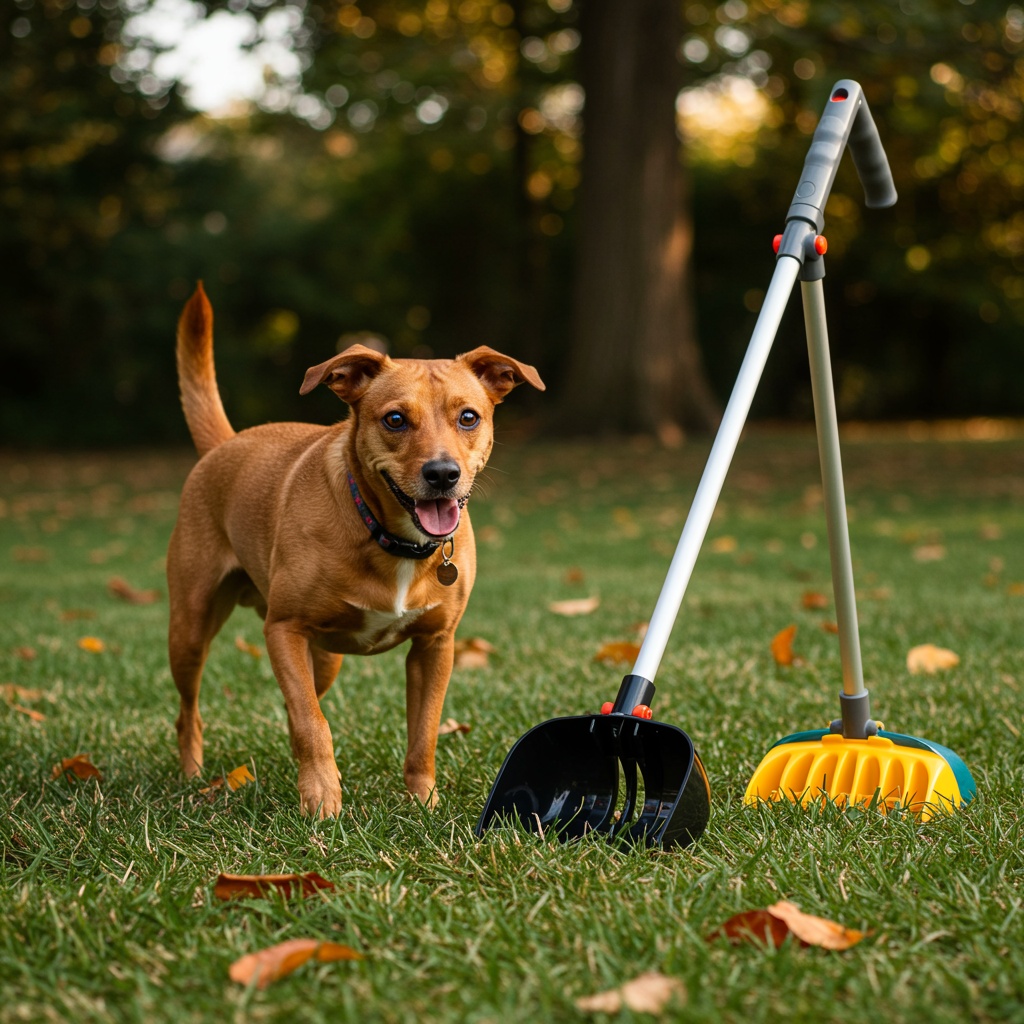
Best for a Large Yard or Multiple Dogs: Swivel Bin and Rake
A long-handled rake paired with a deep swivel bin is one of the most efficient systems for collecting several deposits in one trip.
The bin pivots so it remains upright while you move around the yard, and many models can be lined with a bag.
Best for:
- Large yards
- Multiple dogs
- Regular cleanup rounds
- Grass, soil, or mixed surfaces
- People who want to minimize bending
Look for:
- Long, sturdy handles
- A rust-resistant metal rake
- A deep bin
- A secure bag attachment
- A lid or odor-control feature
- A handle that does not twist during use
The Arm & Hammer Swivel Bin and Rake is a current example of this style. Similar systems are available from several manufacturers, so compare handle length, replacement-bag costs, and storage needs.
Best for Grass: Rake-Style Teeth or a Serrated Jaw
Grass is easier to clean when a tool can move between the blades rather than flattening everything beneath a solid edge.
Good choices include:
- A rake and collection pan
- A long-handled jaw scoop with grass teeth
- A claw with wide, serrated edges
Look for:
- Tines wide enough to pass through grass
- Teeth that collect waste without removing chunks of lawn
- A strong hinge or spring
- Sufficient reach for comfortable use
Rake-based tools generally work better in taller grass, while jaw scoopers are convenient for quick, one-handed pickup.
Best for Concrete, Patios, and Sidewalks: Flat-Edge Scoop
Hard, smooth surfaces call for a flat edge that sits close to the ground.
Choose:
- A spade-and-pan combination
- A jaw scooper with flat closing edges
- A bag-mounted scoop designed to slide beneath the waste
Look for:
- A straight, flush edge
- Firm closure
- A smooth, washable surface
- Enough width for your dog’s typical deposit
Deep rake teeth that work well on lawns may leave material behind on pavement.
Best for Gravel, Mulch, or Decorative Stone: Wide-Spaced Rake
Fine-toothed tools can collect half the landscaping along with the poop.
A rake with wider spacing lets small stones or mulch fall through while retaining the waste. Some grass-style jaw scoopers also work well if their teeth are sufficiently open.
Use a gentle motion rather than digging into the surface.
Look for:
- Wide-spaced teeth
- A lightweight tool that is easy to control
- A collection pan with a raised edge
- Materials that will not bend against stone
No scooper will completely separate very soft stool from gravel, but the correct tine spacing reduces frustration.
Best for Walks and Travel: Compact Bag-Mounted Scooper
A full-length yard scooper is not practical on a neighborhood walk or road trip.
Portable scoopers hold an open bag around or beneath the pickup mechanism, allowing you to collect waste without touching it through the bag.
Best for:
- Neighborhood walks
- Travel
- Apartment living
- People who dislike the hand-inside-the-bag method
The DogBuddy Portable Pooper Scooper is one current compact example. Consider whether the tool comfortably handles your dog’s typical output; very small portable models may not suit large dogs. This comes in both a medium and a large size.
Choose one that:
- Clips securely to a leash
- Holds standard bags
- Opens wide enough
- Can be cleaned easily
- Does not swing or rattle excessively while walking
Best for Catching Waste Before It Reaches the Ground: Bag-on-Frame Tool
Some tools position an open bag beneath a dog while the dog is defecating. This can be useful when:
- A dog uses a wheelchair or mobility aid
- Stool is frequently soft
- The surface is difficult to clean
- A pet owner wants to avoid lawn contact
- Samples need to be collected with minimal contamination
The GoGo Stik Catch-N-Go from Amazon and others is an example of this design.
This approach requires attention to your dog’s routine and enough comfort around the tool that it does not interrupt elimination. Introduce it gradually and never chase or frighten a dog with the device.
Best for Back, Knee, or Mobility Concerns: Extra-Long Handle
Handle length may matter more than brand when bending, squatting, or kneeling is uncomfortable.
Look for:
- A handle long enough to use while standing upright
- Lightweight construction
- A comfortable grip
- One-handed operation when needed
- A trigger that does not require excessive hand strength
- A locking or folding design for storage
- A stable pan that does not tip
Test the opening mechanism if possible. Some spring-loaded jaws require more grip strength than expected.
Long-handled metal rake-and-pan systems are often durable, while lightweight jaw scoopers may be easier to lift. The correct choice depends on whether reach, weight, or one-handed use is most important.
Best for Snow or Soft Stool: Spade, Wide Pan, or Direct-Catch Tool
Claw-style scoopers can smear soft stool or pack it into hinges and teeth.
For difficult consistency or winter cleanup, try:
- A flat spade and wide pan
- A bag-lined swivel bin
- A direct-catch bag tool
- A dedicated scraper for hard frozen surfaces
Remove as much waste as possible without spreading it. Clean and disinfect the tool afterward according to the manufacturer’s instructions, and do not bring outdoor cleanup equipment into food-preparation areas.
Plastic or Metal?
Plastic
Advantages:
- Lightweight
- Often less expensive
- Less likely to rust
Limitations:
- Hinges and handles may crack
- Plastic can become brittle in cold weather or prolonged sun
- Large models may flex under heavier loads
Metal
Advantages:
- Often more durable
- Well suited to frequent or multi-dog use
- Rakes and pans may handle uneven ground better
Limitations:
- Heavier
- May rust if coatings are damaged
- Some models have uncomfortable grips
For occasional pickup, a quality plastic tool may be sufficient. For frequent yard cleanup, replaceable bags and durable metal handles may be worth the additional cost.
Features Worth Paying For
Regardless of style, useful features include:
- A handle that allows an upright posture
- Durable hinges and attachment points
- Replaceable or standard-size bags
- Easy-to-clean surfaces
- Rust and weather resistance
- Compact storage
- A mechanism suited to the intended surface
- A capacity appropriate for the number and size of dogs
A complicated tool is not better if it is unpleasant to carry, difficult to clean, or likely to remain unused. A cheaply made pet product wastes your money and causes frustration.
Clean the Tool—and the Yard
Remove pet waste frequently rather than waiting for it to accumulate. Prompt cleanup helps control odor, flies, environmental contamination, and potential exposure to parasites and disease-causing organisms.
After use:
- Remove all visible debris.
- Wash according to the manufacturer’s instructions.
- Disinfect when appropriate.
- Allow the tool to dry.
- Store it away from children, food, and pet feeding areas.
- Wash your hands thoroughly.
Do not add dog waste to compost intended for edible gardens. Follow local rules for bagging and disposal, and remember that a bag labeled “biodegradable” may require specific commercial conditions to break down.
The Bottom Line
The best pooper scooper is the one that fits your surface, physical needs, dog, and cleanup routine.
For most large yards, a long-handled swivel bin and rake provide efficient capacity. A toothed jaw or rake works well on grass, a flat edge works better on pavement, wide-spaced tines help with gravel, and a compact bag-mounted tool is easiest to carry on walks.
It may never become your favorite chore—but the right equipment can make it quicker, cleaner, and much less unpleasant.